


Table of Contents
After you book with Vault.Rent, five things happen in order: a pickup slot is confirmed, a team arrives at your home or office, every item is photographed and tagged with a QR code, your boxes move into a climate-controlled facility, and you get digital access to request retrieval anytime. The full cycle, from booking to first pickup, usually takes under three hours across Mumbai.
We have run this process for thousands of bookings across film production sets, offices, and homes since Vault.Rent launched. This walkthrough explains exactly what happens at each stage. It is based on how our own operations team runs it every day, not a generic description of how self storage is supposed to work.
Step 1: You Book and Choose a Slot
Booking starts on the Vault.Rent platform, where you select the type of storage you need. Options include home storage for renters between flats, office storage for businesses clearing space, and document storage for records and paperwork. Specialized categories cover film production storage and event storage for equipment between shoots or events. Once you choose a category, you pick a pickup slot that fits your schedule. The system then assigns your booking to the nearest operations team.
Saurabh Kabra built this step around a simple idea: “Storage should not require you to plan your week around it. We wanted booking to take under two minutes, the same as ordering something online, because that is the standard people expect now.“
Step 2: A Team Picks Up From Your Doorstep
Once your slot is confirmed, a Vault.Rent team arrives at your address with packing materials included. This applies whether you are in Bandra, Andheri, or anywhere else across the Mumbai Metropolitan Region. Pickup and delivery across this zone typically completes within roughly three hours of booking. That matters most for last-minute needs, such as a film crew that needs equipment cleared from a location overnight.
The team handles fragile and bulky items differently from soft goods. Furniture gets wrapped and padded on site. Documents and electronics are packed into rigid, moisture-resistant boxes. This step is where most storage mistakes at home actually get avoided, since a trained team packs based on material type rather than convenience.
Step 3: Every Item Gets Photographed and QR Tagged
This is the step most renters do not see with traditional self storage. Before anything leaves your home, each item or box is photographed and linked to a QR code inside Vault.Rent’s digital inventory system. You can open the app later and see exactly what is in a given box. This includes its condition photos at intake and how long it has been stored, all without a single trip to the facility.
Manish Kamti, Production Storage Specialist at Vault.Rent, explains why this step exists: “Film production clients in particular need to know exactly which prop or costume is in which box. A shoot near Lower Parel or BKC often needs one specific item returned same day. The QR system exists because guesswork does not work at that speed.” Renters in Powai and Thane use the same system for something simpler. They check on stored furniture or winter clothing between seasons.
Step 4: Storage at a Climate Controlled Facility
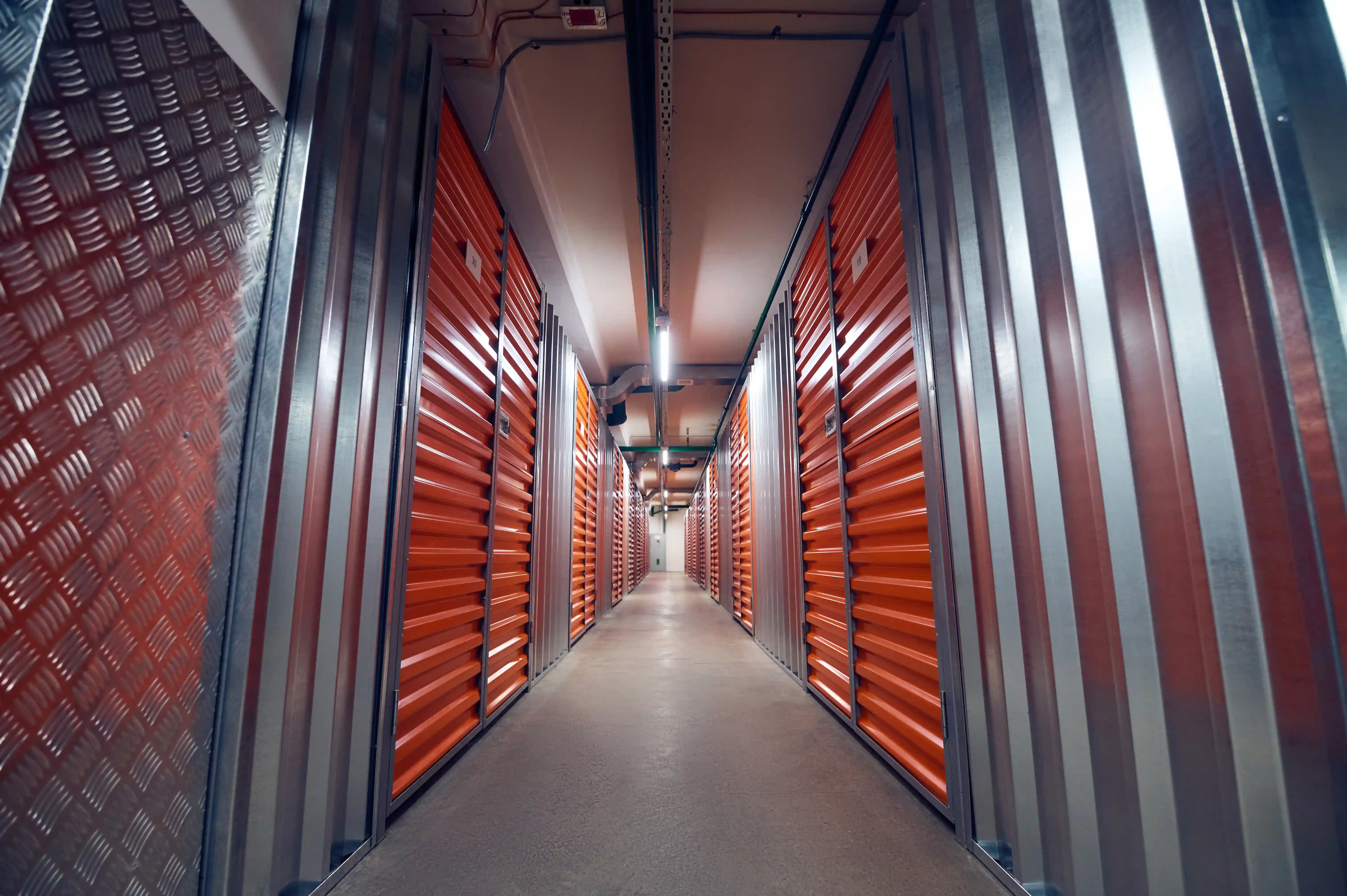
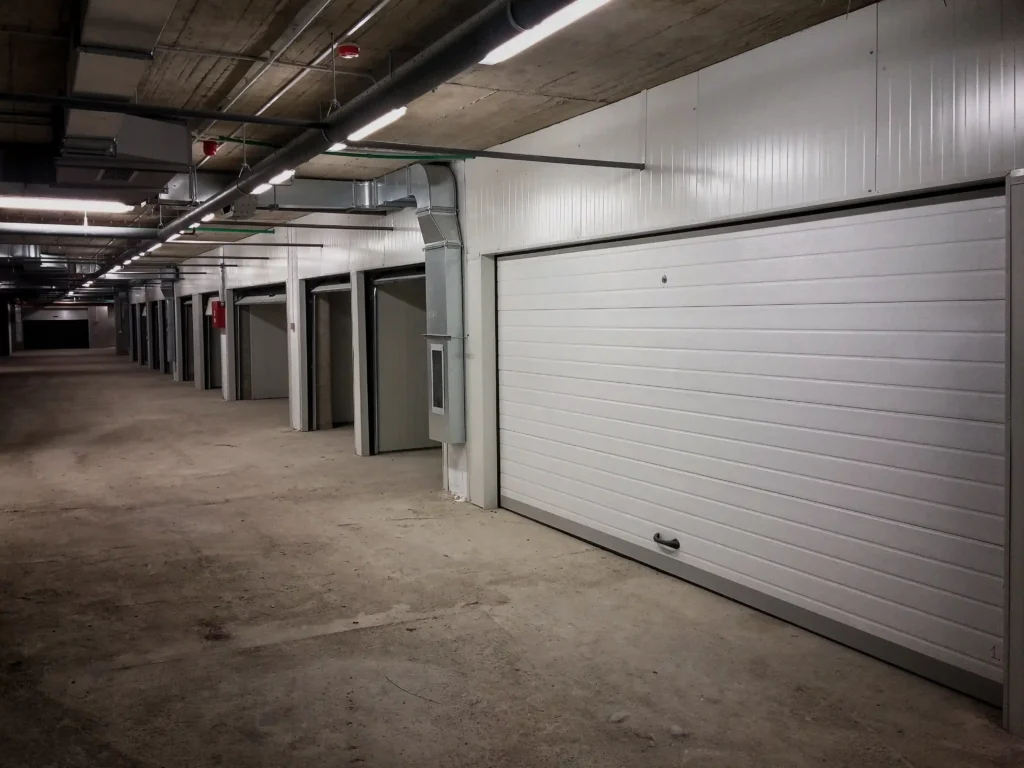
Your items move to Vault.Rent’s facility, anchored out of Goregaon and built specifically for Mumbai’s climate rather than adapted from a generic warehouse. The company has grown from a single 400 square foot unit to more than 1,60,000 square feet of storage space in about 30 months. This scale increase came from demand, as renters, offices, and event businesses outgrew home storage. Items are sorted by category, humidity sensitivity, and expected retrieval frequency. A document box and a rack of costumes are never stored under identical conditions.
Storage plans start from around ₹22 a month and scale up to ₹82 a month depending on box size. This is why MSMEs and relocating young professionals use the same platform as larger film and event clients. The active Space Bazaar campaign and the newly launched Specialized Shoe Storage service both grew out of requests from these exact customer groups. The team noticed recurring patterns in what people were struggling to store at home.
Step 5: Retrieval, Whenever You Need It
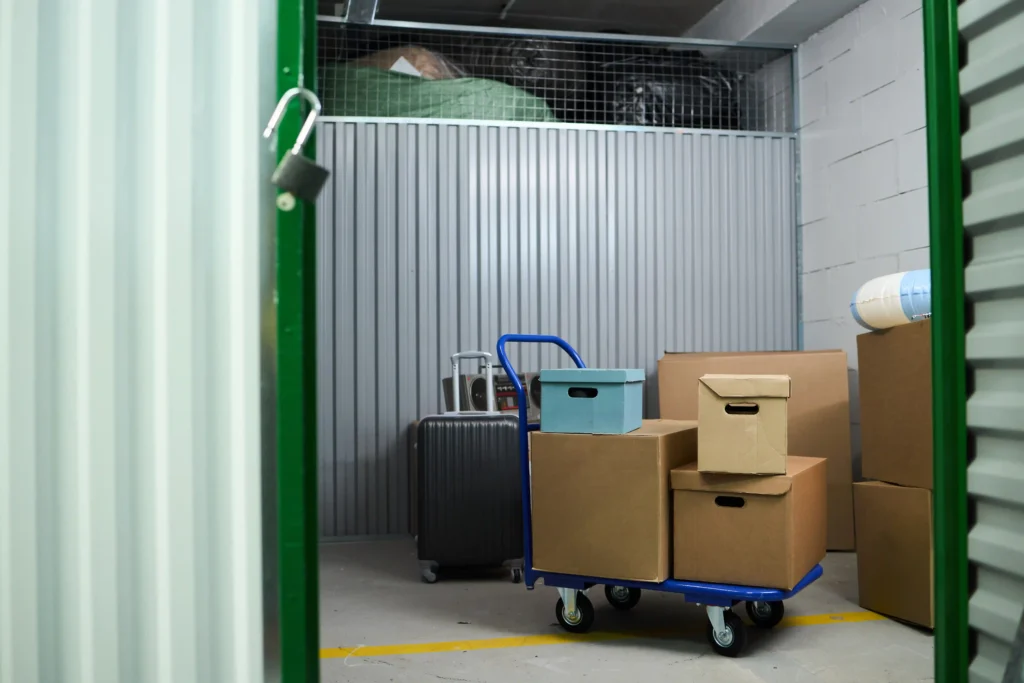
When you need something back, you request it through the app using the QR tag or box label, and Vault.Rent schedules redelivery. This is where the earlier steps pay off. Because everything was tagged and photographed at intake, retrieval does not involve searching through unlabeled boxes at a facility. A single item can often be pulled and delivered without touching anything else you have stored.
This matters differently across customer types. An event management company might need a full setup back within a day for a client across town. A relocating professional might only need one box back after finding a new flat. Both requests move through the same retrieval system, and both are handled at the same speed.
Who Actually Uses This Process
The five-step cycle above is built to serve four fairly different groups. Film and OTT production teams use it for costume and prop storage between shoots, where speed and item-level tracking matter most. Event management companies use it for décor, signage, and equipment between bookings. MSMEs use it for office storage when they downsize physical space or move locations. Relocating young professionals use it for home storage during the gap between two flats. Each group interacts with the same five steps. But the reason they trust the process differs slightly. A production house cares most about item tracking, while a relocating renter cares most about pickup speed.
What Happens to Fragile and High Value Items Specifically
Not every item is packed the same way, and this is where most self storage facilities skip detail. Vault.Rent sorts items into three broad handling categories at the pickup stage itself, not later at the facility. Soft goods such as clothing and costumes are folded or hung and placed into breathable containers. Furniture is padded and wrapped. It is marked as fragile so it is never stacked under heavier boxes. Documents and electronics go into rigid, sealed containers. Moisture control materials go in before the box ever leaves your address.
This sorting matters most for film production storage, where a single damaged costume can delay a shoot. It also matters for document storage, where paperwork often cannot be replaced at all. Ananya Joshi notes that intake photos are taken before packing begins for exactly this reason. If a dispute or damage question ever comes up, there is a timestamped record from the moment an item entered the system. Not just a memory of its condition.
For office storage clients, this same sorting applies to furniture, files, and equipment being cleared from a workspace. A company moving out of an office does not need to sort items into categories itself. The team handles that during pickup, using the same rules applied to home and production storage.
Bottom Line
The value of Vault.Rent’s process is not any single step. It is that booking, pickup, tagging, storage, and retrieval are built as one connected system rather than five separate hassles. Whether you are a production team storing costumes or a professional storing a few boxes between flats, the same tracked process applies. It runs on a three-hour pickup window, from the moment you book.
You might also want to read: Self Storage Facilities Explained: Why is India Only Discovering It Now?
FAQs
How long does Vault.Rent’s pickup process take after booking?
Pickup and delivery across the Mumbai Metropolitan Region typically completes within roughly three hours of a confirmed booking slot.
What types of storage does Vault.Rent offer?
Vault.Rent offers home storage, office storage, document storage, film production storage, and event storage, each handled with packing methods suited to that category.
How does Vault.Rent track stored items?
Every item or box is photographed at intake and linked to a QR code inside a digital inventory, so you can check condition and location from the app without visiting the facility.
Is Vault.Rent a trusted self storage facility in Mumbai?
Vault.Rent has grown from a 400 square foot unit to more than 1,60,000 square feet of facility space in about 30 months, built specifically around Mumbai renters, office, and production storage needs.
How much does storage cost with Vault.Rent?
Plans start from around ₹22 a month and go up to ₹82 a month depending on box size, with pricing built to work for both single-item home storage and larger office or production needs.