


Table of Contents
A monsoon storage checklist is a room-by-room plan for moving moisture-sensitive items like clothes, shoes, furniture, and documents into sealed, ventilated, pest-proof storage before Mumbai’s rains arrive. It protects your belongings from mold, rust, and water damage between June and September, and it works best when you start before the first heavy spell, not after.
At Vault.Rent, we have watched this pattern for three monsoon seasons now. Our team has packed and stored thousands of items for renters across the city, and we have seen exactly which habits save a wardrobe and which ones ruin it. This guide is built on that hands-on experience, not guesswork.
Why Mumbai Monsoons Are So Hard on Stored Items
Humidity in Mumbai often stays above 85 percent for weeks during peak monsoon. That moisture does not stay outside. It creeps into cupboards. It seeps under doors. It settles into fabric fibers and wood grain. A renter in a compact Andheri flat with limited airflow will often see mold on leather bags within days. The same bags in a ventilated, climate-aware storage unit stay untouched for the whole season.
Manish Kamti, Production Storage Specialist at Vault.Rent, explains it simply: “Monsoon damage is rarely sudden. It builds quietly in the first two weeks of trapped moisture, and by the time you notice a smell or a stain, the item is already compromised.” His team inspects incoming items for early signs of dampness before they are ever placed into storage, which is why catching the problem early matters more than any single product you buy.
9 Point Monsoon Storage Checklist

Work through these room by room before the rains intensify.
- Sort before you pack: Separate items by material. Leather, suede, and wood need different handling than cotton or synthetic fabric.
- Dry everything completely: Even a trace of dampness inside a sealed container turns into mold within 48 hours.
- Use breathable covers for leather and suede: Plastic traps moisture against the surface and speeds up damage instead of preventing it.
- Add silica gel packets, not naphthalene alone: Silica actively absorbs humidity, while naphthalene only masks odour and repels insects.
- Elevate wooden furniture off the floor: Ground-level contact with a damp surface is the fastest way to warp legs and joints.
- Vacuum seal winter wear and heavy fabric: This removes trapped air and moisture before long-term storage.
- Label every box with contents and date: A functioning inventory system saves hours when you need one item back mid-season.
- Choose a facility with active dehumidification, not just a dry-looking room. Visible dryness does not mean controlled humidity.
- Schedule a mid-monsoon check: A single inspection in late July catches problems before they spread to other items.
Renters near BKC and Lower Parel, where flats tend to be smaller and closets share walls with bathrooms, often see the fastest humidity buildup and benefit most from starting this checklist early in June.
Mistake Most Renters Make
Here is where most monsoon storage advice gets it backward. The instinct is to wrap everything in plastic to keep water out. In practice, plastic seals moisture in rather than keeping it out, and an item packed even slightly damp becomes a breeding ground for mold inside its own wrapping. Breathable cotton covers, silica gel, and airflow do more real work than any amount of plastic sheeting.
Saurabh Kabra, founder of Vault.Rent, has seen this mistake repeat across seasons: “Every June we get calls from renters whose belongings were plastic wrapped and stored at home, only to open a cupboard in August to a smell they cannot get out. Storage is not about sealing things away. It is about controlled airflow and monitored humidity, which most homes simply cannot offer during four months of continuous rain.“
How Vault.Rent Solves This
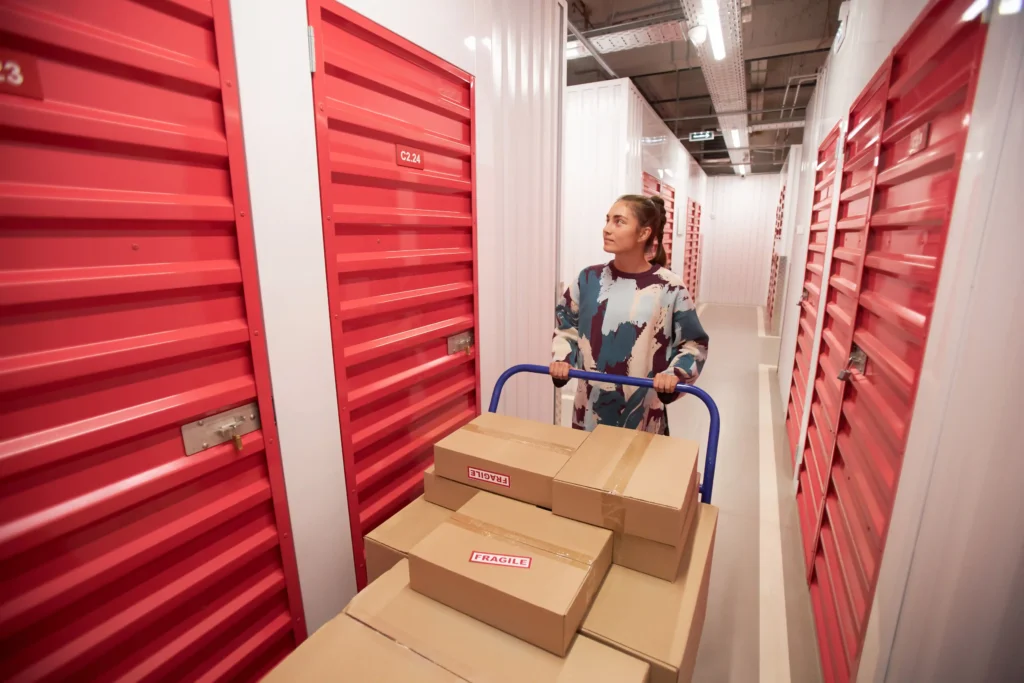
Vault.Rent runs storage facilities anchored out of Goregaon, built specifically for Mumbai’s climate rather than adapted from generic warehouse space. The company grew from a single 400 square foot unit to more than 1,60,000 square feet of storage space in about 30 months, a scale that came directly from renter demand during monsoon seasons when home storage simply runs out of safe space.
Every item stored with Vault.Rent is tagged with a QR code linked to a digital inventory, so a renter in Powai or Thane can check exactly what is stored, when it was packed, and its condition photos without visiting the facility. Vault.Rent also offers pickup and delivery across the Mumbai Metropolitan Region within roughly three hours, which matters when a renter in Bandra suddenly needs a monsoon coat back midweek. Storage plans start from around ₹22 a month and scale up to ₹82 a month depending on box size and item type, making seasonal storage cheaper than replacing even one damaged jacket or pair of leather shoes.
Documents, Electronics, and Sentimental Items Need Their Own Rules

Clothes and furniture get most of the attention in monsoon planning. But paper and electronics fail faster, and quieter. Humidity warps documents. It corrodes small metal parts. It can short out a circuit board long before any mold is visible. A monsoon storage checklist that only covers wardrobes leaves a whole category of high-value items exposed.
Start with paper records. Property documents, certificates, and photographs need archival-grade sleeves inside a sealed, moisture-resistant box. Keep them away from exterior walls, since these walls hold the most ambient dampness during weeks of rain. Next, electronics that sit unused. A spare laptop, a console, a seasonal appliance. Wrap each one in an anti-static bag, then place it in a dry box with silica gel. Do not stack anything heavy on top, as it stresses the internal parts.
Vault.Rent’s inventory team treats these items differently at intake. Ananya Joshi notes that documents and electronics get extra condition photos, because damage to them is harder to reverse than damage to fabric. Fabric can often be cleaned or repaired. A jacket can go to a tailor. A water-damaged property document usually cannot be saved at all, which is why this category deserves the most caution in any monsoon plan.
What It Actually Costs to Get This Wrong
Monsoon damage rarely announces itself as one large loss. It shows up as a leather jacket that needs replacing, a wooden side table that warps and has to be discarded, a box of documents that turns illegible, and a pair of shoes that develop a smell no cleaning removes. Add those up across a single household and the total often exceeds what a full monsoon season of proper storage would have cost. A monsoon storage checklist followed in June is materially cheaper than a wardrobe replaced in September.
Bottom Line

A monsoon storage checklist only works if you follow it before the rain gets heavy, not after the damage starts. Dry items fully, choose breathable covers over plastic, and store with a facility built for humidity control rather than a spare room. Across the city, the season rewards renters who plan early and costs the ones who wait.
A small habit shift now, before the first heavy spell hits, is what separates a wardrobe that survives four months of rain from one that needs replacing in October. Most renters only build this habit after one bad season. You do not have to learn it the hard way. Start the checklist this week, and treat monsoon storage as an annual routine rather than a one-time scramble.
You might also want to read: 7 Smart Tips on How to Pack Fragile Items for Storage
FAQs
What is the best way to store clothes during Mumbai monsoon?
Store clothes only after they are completely dry, use breathable cotton covers instead of plastic, and add silica gel packets inside each container to actively absorb ambient humidity.
Can I store leather bags and shoes at home during monsoon?
You can, but home cupboards in humid areas often trap moisture without airflow. A ventilated, dehumidified storage unit is safer for leather, which is especially prone to mold and cracking.
How early should I start my monsoon storage checklist?
Begin by late May or the first week of June, before humidity peaks. Items packed after the rains have already started are more likely to carry trapped moisture into storage.
Is plastic wrapping safe for monsoon storage?
No. Plastic traps existing moisture against fabric and leather rather than keeping new moisture out, which accelerates mold growth inside the wrapping itself.
How much does monsoon storage cost in Mumbai?
Vault.Rent plans start from around ₹22 a month and go up to ₹82 a month depending on size, which is significantly cheaper than replacing monsoon-damaged furniture or clothing.