


Table of Contents
Plastic tarp traps moisture against wood and fabric. During a home renovation, this causes mold, warping, and bad odors in storage furniture within days. The safer fix is off-site furniture storage. It keeps dust out. It does not seal moisture in.
Why Plastic Tarp Fails to Protect Storage Furniture During Renovation
Most homeowners reach for plastic tarp first. It is cheap. It is already sitting in the garage. It feels like protection. In practice, it does the opposite job.
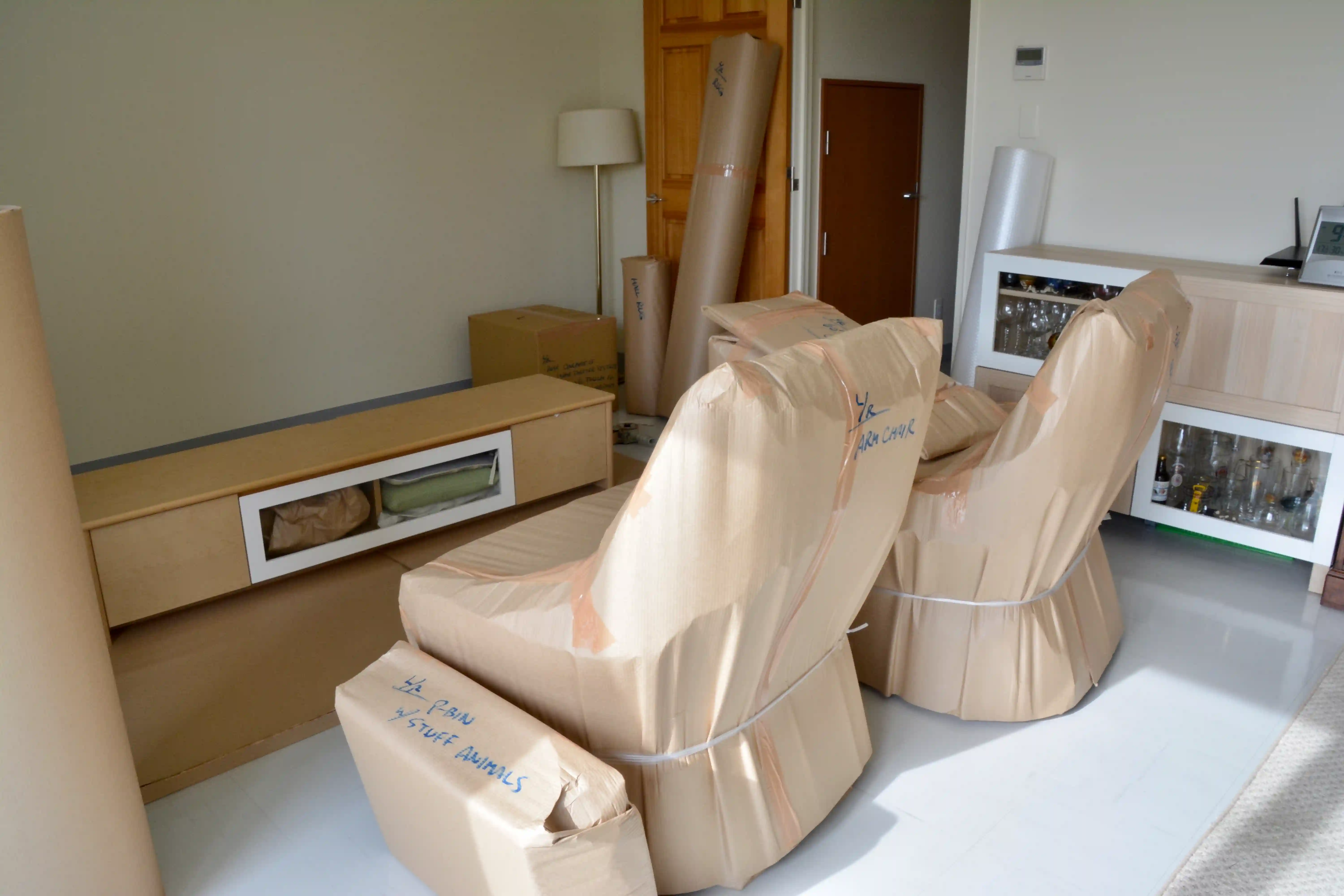
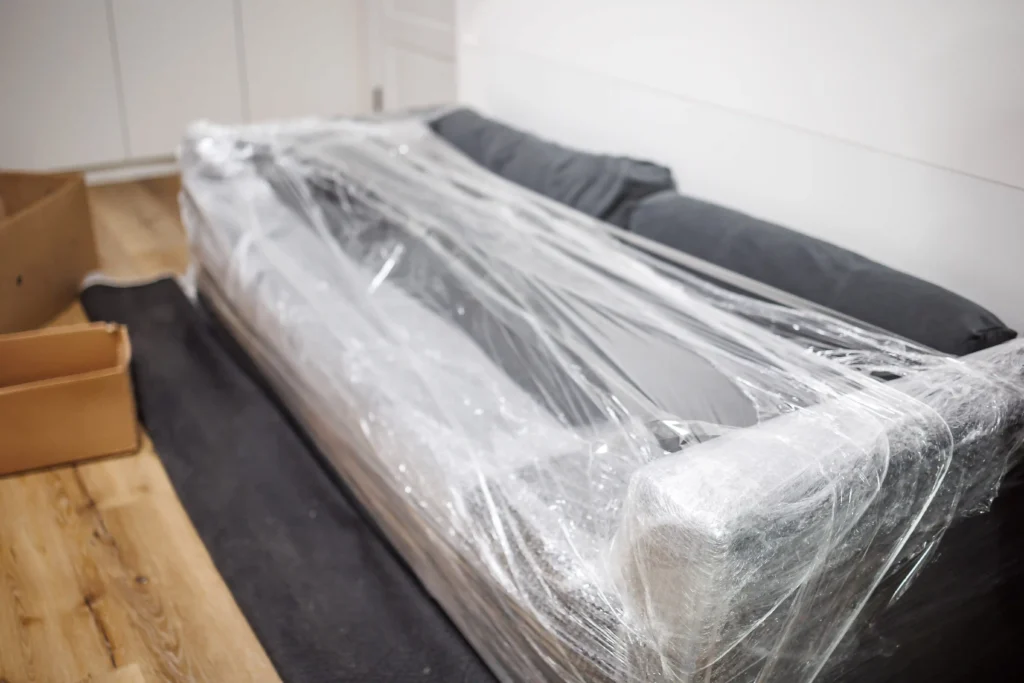
Renovation work kicks up fine dust. Plastic sheeting seals that dust against your cabinets, dressers, and bookshelves. As per study published by the EPA, “Furnitures wrapped in plastic sheets or tarp, seals in any trapped humidity. Wood swells. Veneer peels. Upholstery starts to smell musty within a week. In Mumbai’s humid months, it can happen even sooner.
Manish Kamti is a Production Storage Specialist at Vault.Rent. He has seen this pattern repeat across hundreds of moves. He says, “Every renovation season, we get calls from families whose tarp-wrapped furniture arrived at our facility with mildew stains. Those stains were completely avoidable. The tarp was never the problem by itself. It was the tarp plus trapped moisture plus zero airflow for weeks at a stretch.“
This is not a small inconvenience. Refinishing a water-damaged dresser can cost more than a full month of proper storage. Replacing a moldy sofa cushion costs even more. That is the real, measurable stakes of getting this decision wrong.
The MCI explicitly warns against wrapping organic materials (like wood and textiles) in plastic or paper. They note that when warm, humid air meets cooler surfaces (which happens frequently during renovations when HVAC systems are turned off), condensation occurs. Plastic traps this condensation against the piece, leading to microbial activity and wood damage.
Real Risks of Tarp-Wrapped Furniture During a Home Makeover
Three failure points show up again and again on inspection day.
First, condensation. Plastic does not breathe. Temperature swings between day and night cause water droplets to form. They collect on the inside of the sheet, right against the furniture surface.
Second, pest activity. Cardboard, tape residue, and undisturbed corners under tarp attract silverfish and termites. This is especially true in ground-floor homes near green, well-watered neighborhoods like Powai.
Third, structural stress. Renovation debris and worker foot traffic often push tarp-wrapped pieces into corners. Legs bend. Joints crack. Glass fronts take pressure they were never designed to hold.
None of these risks show up on day one. They surface two, three, or four weeks in. That is exactly when the renovation is at its messiest and least convenient to pause for furniture repairs.
What to Do Instead: Smart Storage Furniture Solutions

The alternative is simple in concept. Get bulky storage furniture out of the construction zone entirely. Move it into a space built for it. That is the core idea behind furniture self storage. It works far better than tarp and tape.
A proper storage unit for furniture controls humidity. It blocks dust at the door instead of trapping it inside. It gives each piece breathing room instead of a tight plastic seal.
Saurabh Kabra is the founder of Vault.Rent. He explains the idea behind the company’s approach: “We built our facility around one insight. Renovation timelines shift a lot. Storage needs to be flexible by the month. It should not be locked into a rigid annual contract. That kind of contract punishes people when a contractor runs late.“
Vault.Rent’s storage furniture products cost between ₹22 and ₹82 per month. The price depends on size. This makes short renovation windows affordable, not a luxury add-on.
Kitchen Storage Furniture During Renovation
Kitchen storage furniture takes the heaviest hit during a renovation. Cabinets, trolleys, and crockery units are usually first to be pulled out. They are last to go back in. Grease residue combined with tarp condensation is a stubborn combination to clean later.
Instead, move kitchen units into dedicated furniture storage units. Let them sit upright, spaced apart, with airflow around every surface. This also protects hardware like hinges and drawer runners from the fine grit that renovation work generates.
Living Room Storage Furniture Solutions
Living room storage furniture tends to have more glass, veneer, and visible finish than kitchen pieces. TV units, bookshelves, and display cabinets show cosmetic damage more easily. It is also harder to hide later.
Wrap these pieces in moving blankets first. Then place them in a proper storage unit rather than sealing them directly under tarp. This keeps surfaces scratch-free. It still allows the wood to regulate its own moisture naturally.
Bedroom Storage Furniture During a Renovation
Bedroom storage furniture often holds clothing and linens inside during a move. Wardrobes, chests of drawers, and bedside units raise the stakes further. Trapped moisture here does not just damage wood. It transfers to fabric stored inside. That smell is much harder to remove than a stain on a shelf.
Empty drawers before storage where possible. Choose a facility offering safe furniture storage options. Look for pest control and humidity monitoring built in, not just four walls and a lock.
Choosing Secure Furniture Storage Options in Mumbai
Secure furniture storage in a city like Mumbai needs to handle three things well. It must handle monsoon humidity. It needs easy parking access for pickup trucks. It should offer fast turnaround when plans change.
Families in Bandra, BKC, Andheri, Lower Parel, and Thane are increasingly choosing self storage over makeshift solutions. A relative’s spare room or a tarp-covered balcony used to be the default. The math simply works out cheaper once repair costs are factored in.
Vault.Rent’s facility is anchored in Goregaon. It has scaled from a 400 square foot pilot to over 1,60,000 square feet in about 30 months. Renovation-season demand has driven much of that growth. Every item that goes in is logged with a QR-code digital inventory system. Customers can check exactly what is stored. They can request specific pieces back without a warehouse-wide search.
Flexible Furniture Storage Solutions with Vault.Rent
Store furniture during renovations without committing to a long lease. Vault.Rent offers month-to-month storage for furniture across the Mumbai Metropolitan Region. Pickup and delivery is typically completed within three hours of a scheduled request. This flexibility matters most for renovation projects. The actual end date rarely matches the original contractor estimate.
The company also runs its Space Bazaar campaign. It helps customers understand pricing before committing. Vault.Rent recently launched a Specialized Shoe Storage service too. It suits households with large collections that need the same climate control as furniture.
Whether the renovation is a single kitchen or a full home overhaul, the underlying advice stays the same. Skip the tarp. Choose flexible furniture storage solutions built for short, unpredictable timelines. Bring furniture back into a finished home in the same condition it left.
What Storage Furniture Actually Needs During a Renovation
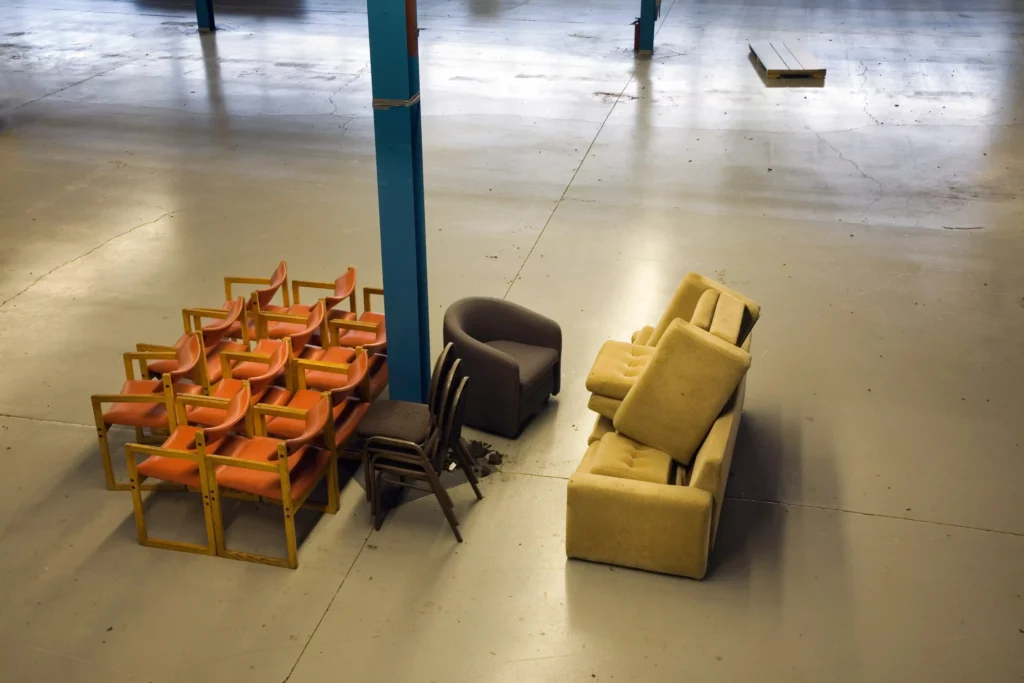
A good storage furniture routine has four simple parts. Clear each piece before it travels. Wrap it in breathable material, not sealed plastic. Store it somewhere with steady humidity control. Track it so nothing gets lost in the shuffle.
This routine takes an extra hour of planning. It saves weeks of repair work later. Most renovation stress comes from small decisions made in a hurry on day one. Furniture storage is one decision worth slowing down for.
Renters and owners across Mumbai are learning this the hard way, one mildew stain at a time. The fix is not complicated. It just means swapping tarp for a real storage plan. Do it before the first hammer swings.
Common Mistakes to Avoid When Storing Furniture
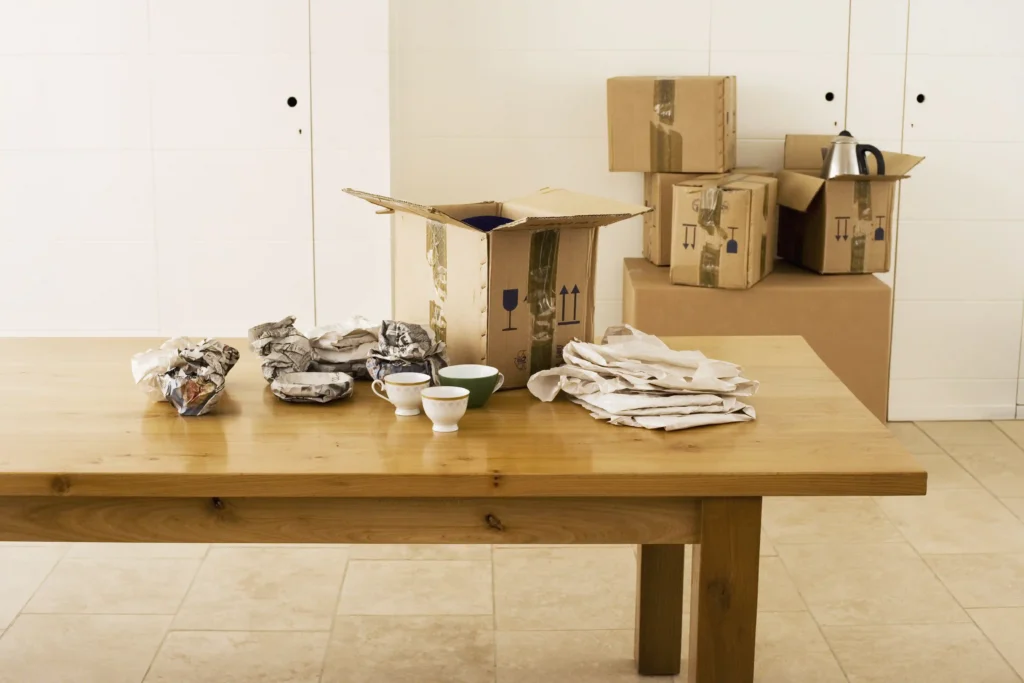
A few habits make renovation damage worse. Avoiding them costs nothing but a little planning.
Do not stack heavy pieces on top of delicate ones. A weighty bookshelf pressed against a cane chair will leave permanent dents within days. Space matters more than most people think.
Do not skip the inventory step. Renovations run long, sometimes for months. Without a clear list of what went into storage, small items get forgotten. A digital log solves this instantly.
Do not choose the cheapest option without checking climate control. A dry, sealed room is not the same as a humidity-controlled one. The difference only becomes obvious after the furniture comes back damaged.
Do not wait until the last minute to book storage. Renovation contractors often move up their start date. Booking a storage unit a week ahead avoids a last-minute scramble with whatever tarp is lying around the house.
How Long Should You Store Furniture During a Renovation
Most Mumbai renovations run between four and twelve weeks, depending on scope. A single room refresh might need storage for a month. A full home renovation can stretch past three months once plumbing and electrical work are involved.
This is exactly why month-to-month plans work better than long annual contracts. Nobody wants to pay for a full year of storage for a project that wraps up in six weeks. Flexible billing matches the real, unpredictable pace of renovation work.
You may also want to read: Self Storage Facility in Mumbai: Your Complete Guide to Secure Storage Space (2026)
FAQs
Is plastic tarp bad for storing furniture during a renovation?
Yes. Plastic tarp traps moisture and dust against the surface of furniture. This commonly leads to mold, warped wood, and musty odors, especially during longer renovation projects.
What is the best way to store furniture during a home renovation?
Moving furniture to an off-site storage unit is the most reliable option. It keeps dust out, allows proper airflow, and protects pieces from renovation debris and foot traffic.
How much does furniture storage cost per month in Mumbai?
Pricing varies by size and provider. Vault.Rent’s storage furniture products are priced from ₹22 to ₹82 per month. This makes short-term renovation storage affordable.
Can I store furniture for just a few weeks during renovation?
Yes. Flexible, month-to-month storage plans are built for exactly this use case. Long-term annual contracts assume a fixed timeline, which renovations rarely follow.
Do storage facilities protect furniture from pests and humidity?
A properly run facility should include humidity monitoring and pest control as standard. A digital inventory system lets customers track exactly what is stored.