


Self storage vs a bigger flat in Mumbai: which is a better option for you? Let’s find out. Self storage is usually cheaper than a bigger flat in Mumbai. A 1BHK upgrade can add ₹15,000 to ₹25,000 in monthly rent. A storage unit with a provider like Vault.Rent costs between ₹22 and ₹82 per month per item instead. For most renters, storage solves the space problem at a fraction of the cost.
Why Mumbai Renters Default to “Just Get a Bigger Flat”
Space, rent, and clutter form a tight triangle in every Mumbai household. When a 1BHK starts to feel cramped, the instinct is to look for a 2BHK. It feels like the obvious fix. But an obvious fix is not always the cheapest one, and in a city where rent per square foot keeps climbing, the bigger flat option deserves a harder look before you sign anything.
This comparison walks through the real, all-in cost of upgrading versus renting storage space, using current 2026 pricing and patterns we see across Mumbai neighborhoods.
Real Cost of a Bigger Flat in Mumbai

Rent is only the headline number. The full cost of upgrading includes several line items that renters often forget to add up.
- Higher base rent: Moving from a 1BHK to a 2BHK in most Mumbai suburbs adds ₹12,000 to ₹30,000 a month, depending on the locality.
- Security deposit: Mumbai landlords typically ask for three to ten months of rent upfront, so a rent jump of ₹15,000 can mean an extra ₹45,000 to ₹1,50,000 in deposit alone.
- Brokerage: A one-time fee equal to one month’s rent is standard.
- Maintenance charges: Larger flats usually carry higher society maintenance, often ₹2,000 to ₹5,000 more per month.
- Moving costs: Packers and movers for a full household shift in Mumbai can run ₹8,000 to ₹20,000.
Add these up over a year and a “small” upgrade can cost a household well over ₹2,00,000, not counting the rent hike that repeats every single month after that.
Real Cost of Self Storage in Mumbai
Self storage pricing works differently. Instead of paying for an entire extra room, you pay only for the space your extra belongings actually need.
Vault.Rent prices its storage products from ₹22 to ₹82 per month, based on item size and category. A household storing seasonal luggage, festive decor, old furniture, or documents typically spends far less than the cost of even one extra bedroom. There is no security deposit equivalent to months of rent, no brokerage, and no long-term lease commitment tying you to a bigger flat you might not need in two years.
Manish Kamti, Production Storage Specialist at Vault.Rent, sees this pattern often. “Most of our Mumbai customers are not hoarders,” he said. “They simply have seasonal items, like monsoon gear or wedding decor. These items do not need to sit in a living room all year. Storage lets them keep their flat size fixed. Their belongings still get a proper home.“
Self Storage vs Bigger Flat in Mumbai: A Side-by-Side Monthly Comparison
| Cost Factor | Bigger Flat Upgrade | Self Storage (Vault.Rent) |
| Monthly cost increase | ₹12,000 to ₹30,000 | ₹22 to ₹82 per item |
| Upfront deposit | 3 to 10 months’ rent | None |
| Brokerage | One month’s rent | None |
| Commitment | 11-month lease minimum | Month to month |
| Moving effort | Full household shift | Pickup from your door |
The gap is not close. For a household that mainly needs extra space for a handful of bulky or seasonal items, self storage in Mumbai is the financially smaller decision by a wide margin. As per a recent study on Research and Market: Rapid urbanization creates denser living conditions and smaller homes in major Indian metros like Delhi, Mumbai, and Bangalore, the demand for self-storage is surging. To support these dynamic urban lifestyles, providers like Vault.rent are responding to the need for extra space with secure, affordable, and flexible short-term storage solutions.
Space Management in a 1BHK: What Actually Eats Up Room
Before assuming a 1BHK is genuinely too small, it helps to look at what is actually occupying the space. In most Mumbai homes, three categories quietly take up the most room.
Seasonal items: Monsoon gear, festive decorations, and winter layers get used for a few weeks a year but sit visible for the rest of it.
Documents and memorabilia: Old files, certificates, and keepsakes rarely get touched but rarely get thrown away either.
Furniture in transition: A crib that is no longer needed, a study table waiting for a child to grow into it, or a spare mattress for guests.
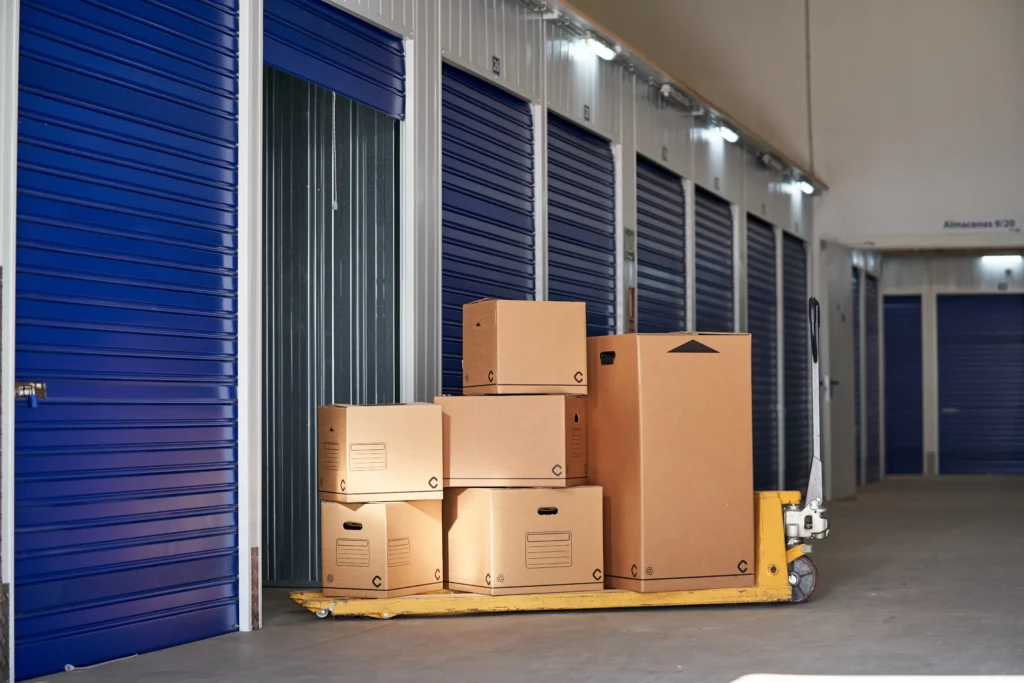
None of these need to live inside a living flat. Moving them into storage near Goregaon or a similar facility, then retrieving them when needed, frees up real square footage without a single rupee added to monthly rent.
When a Bigger Flat Still Makes Sense
Self storage is not the answer for every situation. If a household is growing, upgrading is the right call. The same goes if a second income earner is moving in permanently. It also applies if a family genuinely needs a second bedroom for daily use rather than occasional storage. Storage solves a space problem caused by belongings. It does not solve a space problem caused by people. Knowing which category your household falls into is the first step, and it usually takes less than five minutes of honest thinking about what is actually filling up your rooms.
The distinction matters. A young professional near Powai storing off-season items is a storage use case. A couple near Bandra expecting their first child is a bigger flat use case. Getting this distinction right before deciding saves both money and moving effort.
Climate-Controlled Storage: Does Mumbai’s Weather Make It Necessary
Mumbai’s humidity is hard on wood, leather, electronics, and paper. Standard storage in a non-climate-controlled space can lead to mould, warping, or corrosion within a single monsoon season. Climate-controlled storage regulates both temperature and humidity, which matters most for furniture, musical instruments, documents, and any electronics you plan to store for more than a few months.
For short-term storage of hardy items like luggage or plastic containers, standard storage is usually fine. For anything wood or paper-based, climate-controlled storage is worth the small premium, especially given how long Mumbai’s monsoon season runs.
Storage Cost Across Mumbai and Nearby Hubs
Storage pricing in Mumbai varies by location and warehouse density. Areas with larger warehouse clusters, including parts of Bhiwandi, tend to offer lower base storage rates. Storage located inside dense residential pockets like Andheri or Lower Parel usually costs more, since real estate itself is more expensive there. This is one reason providers with a centralized facility model can offer more consistent pricing. A single large facility, rather than scattered small units, spreads costs across the whole Mumbai Metropolitan Region, including areas like Thane, BKC, and Navi Mumbai.
Saurabh Kabra, founder of Vault.Rent, built the company around this exact cost gap. “We started with 400 square feet,” he said. “We grew to over 1,60,000 square feet in about thirty months. That scale is what lets us keep per item pricing low. Flat rents across Mumbai keep climbing, but our pricing does not have to climb with them.”
Household Goods Storage in Navi Mumbai and Beyond
Households across the Mumbai Metropolitan Region face the same space math, even if local rent levels differ slightly. A family in Navi Mumbai weighing a flat upgrade will still find that a handful of storage boxes costs far less than a bigger lease. The same logic holds whether the household is near a business district or a quieter residential pocket. What changes is not the math, but the volume of belongings people tend to store. Families with young children often store baby furniture and old toys. Working professionals more often store travel bags, festive wear, and old electronics. Vault.Rent’s pricing structure, from ₹22 to ₹82 per month, is built to flex with both patterns without pushing anyone toward a plan bigger than they need.
How to Decide: Quick Framework
Ask three questions before choosing between a bigger flat and self storage.
- Is the space problem caused by people or by belongings? Belongings point to storage. People point to upgrading.
- Would the extra room sit mostly empty, used a few times a year? If yes, storage is the cheaper fix.
- Can you retrieve stored items within a few hours if needed? Providers offering fast pickup and delivery across the Mumbai Metropolitan Region remove most of the inconvenience that used to make storage feel impractical.
If your answers point toward belongings, occasional use, and a need for fast access, self storage will almost always beat the cost of an upgrade.
Bottom Line
A bigger flat solves a space problem by increasing your fixed monthly cost forever. Self storage solves the same problem by paying only for the extra space you actually use, when you use it. For most Mumbai households dealing with seasonal items, old furniture, or documents rather than a genuine need for another bedroom, self storage is the financially smaller and more flexible choice.
You may also want to read: Household Storage Services for Mumbai Renters Who Move Every Two Years
FAQs
Is self storage cheaper than renting a bigger flat in Mumbai?
Yes. A bigger flat typically adds ₹12,000 to ₹30,000 in monthly rent plus deposit and brokerage, while self storage costs ₹22 to ₹82 per month per item with no deposit.
How much does self storage cost in Mumbai in 2026?
Pricing generally ranges from ₹22 to ₹82 per month depending on item size and category, with providers like Vault.Rent offering month-to-month plans.
Is climate-controlled storage necessary in Mumbai?
It is recommended for wood, paper, leather, and electronics due to Mumbai’s humidity and long monsoon season, though standard storage works fine for hardy items like luggage.
What items should I store instead of upgrading my flat?
Seasonal gear, festive decor, documents, and furniture in transition are the best candidates, since they take up daily living space while being used only occasionally.
How fast can I retrieve stored items in Mumbai?
Providers offering pickup and delivery across the Mumbai Metropolitan Region can typically return stored items within a few hours of a request.