



Seasonal storage in Mumbai means one thing. Move out-of-season clothes, documents, and electronics into a climate-controlled unit before monsoon humidity sets in. Do it before the damage starts, not after. Vault.Rent, a Mumbai-based storage platform, tracks this shift every year. Bookings rise sharply the moment the pre-monsoon showers begin.
Why Mumbai’s Monsoon Is Hard on Stored Items
Mumbai runs hot and humid most of the year. Temperatures swing between 17°C and 38°C. Humidity rarely drops below 60%, even in the drier months. Once the monsoon arrives, usually from June to September, humidity often climbs past 90%. That level of moisture is aggressive. It corrodes electronics. It discolours fabric. It warps wood. It softens paper until documents become unreadable.
Most homes are not built to fight that kind of humidity for four straight months. A cupboard or a spare room can slow the damage down. It rarely stops it.
Real Cost of Skipping Seasonal Storage

“People underestimate how fast humidity works on fabric and paper,” says Saurabh Kabra, founder of Vault.Rent. “A saree left folded in a damp cupboard through one monsoon can pick up a smell that never fully leaves. A property document left in the same cupboard can turn brittle enough to tear at the fold. The damage is quiet, but it adds up fast.“
That quiet damage is the real argument for seasonal storage. Replacing a damaged appliance costs more than a few months of storage rent. Re-issuing a lost or damaged government document costs even more, in time as well as money.
Where to Store Seasonal Items During Monsoon
Before the onset of monsoon, many people start worrying about where to store seasonal items during monsoon. The safest place for monsoon-vulnerable items is a unit built for humidity control. A spare corner of your home will not do the job. Vault.Rent runs its main storage facility out of Goregaon. Units there are held within a fixed temperature and humidity band all year, no matter what is happening outside. This matters most for the things you cannot easily replace: winter wardrobes, wedding outfits, legal paperwork, and spare electronics.
Monsoon Storage Tips for Clothes
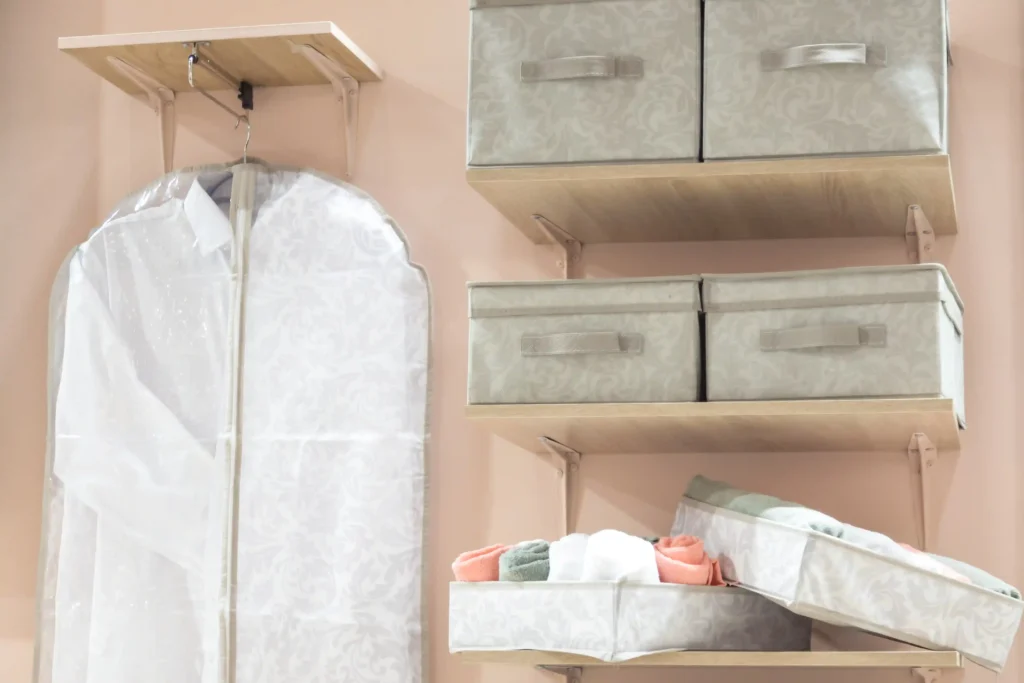
Wool coats, silk sarees, and heavy winter wear are the first things to suffer once the air turns damp. Take a household in Bandra storing wedding-season outfits. Those pieces face a real risk of mildew if they sit in a regular cupboard through July and August. The fix is simple. Pack clothes in breathable cotton covers, not sealed plastic. Move them to a unit where humidity stays steady, not one that shifts with the weather outside.
Monsoon Storage Solution for Documents

Paper is more fragile than most people assume. Property papers, certificates, and financial records lose strength once they absorb moisture again and again over a season. Professionals working near BKC often deal with limited space at home. Many choose to store years of paperwork off-site rather than risk a damp home office. A sealed, moisture-controlled storage box protects these documents far better than any drawer at home.
Protecting Electronics During Monsoon
Electronics fail quietly during monsoon. Moisture works its way into circuits long before a device visibly stops working. IT professionals near Powai often own a second laptop, an old console, or spare hard drives. This group makes up some of the most consistent seasonal storage users at Vault.Rent. Before storing any device, remove the batteries. Wrap it in anti-static packing. Store it upright, not flat, since flat storage traps moisture against the casing.
Seasonal Storage Unit Tips for Furniture and Large Items
Wooden furniture swells and warps in high humidity. Metal fittings rust faster than most owners expect. Residents managing a renovation near Lower Parel often store dining sets, cabinets, and large appliances for the length of the project. Leaving them exposed to dust and damp on-site is a bigger risk. A storage unit with steady humidity control stops the swelling that makes drawers stick and joints loosen.
How Vault.Rent’s Climate Control Actually Works
Vault.Rent’s units are held at a constant 18°C to 22°C. Humidity stays between 45% and 55%, the standard range used worldwide for textile and electronics preservation. “We use sensors that track temperature and humidity in real time, every hour of the day,” says Manish Kamti, Production Storage Specialist at Vault.Rent. “If a unit drifts outside the safe range, the system flags it before any damage happens. Renters do not have to trust that a facility is doing its job. The sensor data proves it.“
That constant monitoring is the difference between a facility that stores items and one that actually preserves them through a full monsoon season.
Seasonal Storage for Relocating Professionals
Storage during monsoon is not only for people staying in place. Young professionals relocating for work often need somewhere to keep belongings during the gap between homes. This is common for those moving between Thane and Andheri for a new job or a shorter lease. A seasonal storage unit works well here too. Most rental plans scale from a few boxes up to a full room’s worth of belongings. Pickup is arranged for you, so you do not need a personal vehicle in monsoon traffic.
Best Time to Start Seasonal Storage in Mumbai
The best window to start is late April or early May, well before the first heavy showers hit the city. Waiting until the rain has already started means packing items that may already carry some moisture, which defeats the purpose of climate-controlled storage. Booking early also means better slot availability for pickup, since demand for monsoon storage rises quickly once the season is visibly underway. A simple rule works well: if a weather forecast mentions the monsoon by name, seasonal storage should already be booked, not still on your to-do list.
How to Choose the Right Storage Unit Size

Most first-time renters either overestimate or underestimate how much space they need. A good starting point is to count categories, not items. Clothes for one season usually fit in two to three medium boxes. A year of documents fits in a single small box if paperwork is sorted first. Electronics and small appliances need slightly more room because of their shape, not their weight. Vault.Rent’s team can recommend a unit size based on these categories during booking, so renters avoid paying for space they do not use.
Simple Seasonal Storage Checklist
Before the rains set in, sort belongings into three groups. Group one is items you will use in the next month. Group two is items you can store for the season. Group three is items you no longer need at all. Clean and dry everything before it goes into storage. Packing damp items defeats the purpose of a climate-controlled unit. Label boxes clearly. Clear labels mean retrieval later in the year takes minutes, not an afternoon of searching.
Pickup and Inventory Tracking for Monsoon Storage
Getting items to storage during monsoon should not mean loading a car in the rain. Vault.Rent offers pickup and delivery across the Mumbai Metropolitan Region, typically within a three-hour window of booking. Every box gets a QR code at pickup, scanned and logged before it enters the facility. Renters can look up exactly what is in which box from their phone, rather than guessing which carton holds the winter coats and which holds the old chargers. This kind of inventory tracking matters most during monsoon, when items often stay in storage for months at a stretch and memory of what went where tends to fade.
You may also want to read: 7 Items Mumbai Homes Waste Space On (And Where to Store Seasonal Items)
FAQs
Where should I store seasonal items during monsoon in Mumbai?
A climate-controlled storage unit is the safest option. It holds a fixed temperature and humidity range that a regular home cannot maintain through four months of monsoon weather.
What is the best monsoon storage solution for documents?
Sealed, moisture-controlled storage boxes kept in a climate-controlled facility protect paper far better than a drawer or cupboard at home, where humidity shifts with the weather outside.
How do I protect electronics during monsoon storage?
Remove the batteries, wrap devices in anti-static packing, store them upright rather than flat, and place them in a unit with controlled humidity rather than a damp cupboard.
What are the most useful seasonal storage unit tips for clothes?
Use breathable cotton covers instead of sealed plastic. Avoid packing anything damp. Store in a facility that holds steady humidity rather than one that changes with the season.
Is seasonal storage worth it for a short monsoon season?
Yes. The cost of a few months of storage is usually far lower than replacing mildew-damaged clothing, warped furniture, or a corroded electronic device.