


Table of Contents
Storage for seasonal items is one of the most overlooked space fixes in a Mumbai home. Monsoon gear, festival decor, and winter layers sit unused for months. Yet they still occupy prime cupboard space. For families living in compact flats between Bandra and Andheri, identifying exactly what to move out of matters. Knowing where to store it instead matters just as much. Doing both often frees up more room than any furniture rearrangement ever could.
Why Small Mumbai Homes Waste So Much Space
Most Mumbai flats were not designed with storage as a priority. A typical one- or two-bedroom home leaves just enough room for daily essentials. This means anything used occasionally competes directly with things used every day. Over time, this competition loses. Seasonal items get pushed to the back of a cupboard. Extra furniture gets crammed into corners. The home starts to feel smaller than it actually is.
The fix is rarely buying more storage furniture. Adding another cupboard just adds another piece of furniture competing for the same limited floor space. The better approach is different. Identify which items do not need to live inside the home year-round. Then find a smarter place for them instead.
7 Items Mumbai Homes Waste Space On
1. Seasonal Clothing and Monsoon Gear

Woollens worn for barely two months a year take up disproportionate wardrobe space. So does monsoon gear, used only during the rains. A family near BKC juggling work wardrobes and school uniforms often has no room left for seasonal layers. This happens even though these items are needed for only a few weeks each year.
Storage for seasonal items works best here. Rather than keeping woollens and raincoats in the main wardrobe year-round, store them off-site during the months they are not needed. This frees up daily wardrobe space immediately.
2. Extra or Spare Furniture
A spare cot is kept for visiting relatives. An old study table was replaced by a new one. A sofa waiting for the next home. These pieces are too useful to discard but too bulky to keep in an already tight living room.
Vertical storage helps to an extent. But large furniture eventually needs a dedicated space. Household storage services are built exactly for this gap. They hold furniture safely until it is needed again.
3. Festival Decor
Diwali lights, Ganpati decorations, and festive linens see intense use for a short period. Then they get packed away for the rest of the year. Families in Goregaon and other festival-heavy neighbourhoods often accumulate more decor each year. There is nowhere new to put it.
Labelled storage bins work for smaller decor. But larger festival items, like lighting structures or decorative furniture pieces, are better suited to an off-site unit. This kind of unit can be accessed just before the season begins.
4. Children’s Old Toys and Books
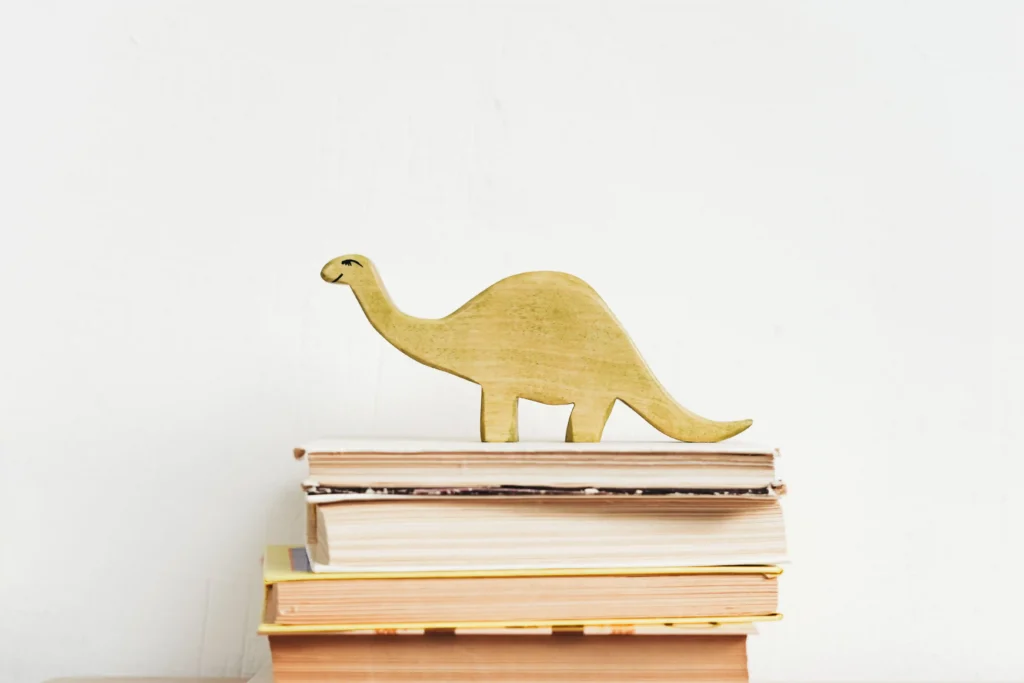
Children outgrow toys and books quickly. Parents are often reluctant to discard them outright, especially when a younger sibling might use them later. This creates a slow accumulation that eats into a child’s room over several years.
Rather than storing these in the same room a child actively uses, move them to a separate storage space instead. This keeps the room functional while preserving items that may still be needed.
5. Documents and Files
Old tax records, property papers, and warranty documents pile up in drawers and cupboards. This takes up space that could otherwise be used for daily items. Most of these documents are rarely accessed but cannot be discarded.
Climate-controlled storage protects paper documents from Mumbai’s humidity far better than a home cupboard can. This matters particularly during the monsoon months, when moisture damage is common.
6. Luggage and Suitcases
Suitcases are used for a handful of trips a year. They sit empty and visible for the rest of the time, often stacked in a corner or on top of a wardrobe. In smaller flats near Lower Parel, this stacked luggage becomes a permanent, awkward fixture in the room.
Suitcases are needed only occasionally and can be requested back with notice. This makes them one of the easiest items to move into storage without disrupting daily routines.
7. Duplicate or Occasional Use Kitchen Items
Festival crockery, a spare mixer grinder, or bulk cookware used only for large gatherings often sits in kitchen cabinets. These cabinets are otherwise too small for daily use. This is especially common in families near Thane who host guests frequently but cook simply on a daily basis.
Store these occasional-use items separately, and bring them out only when needed. This keeps the main kitchen functional without permanently sacrificing space to items used a handful of times a year.
How to Store Seasonal Items the Right Way
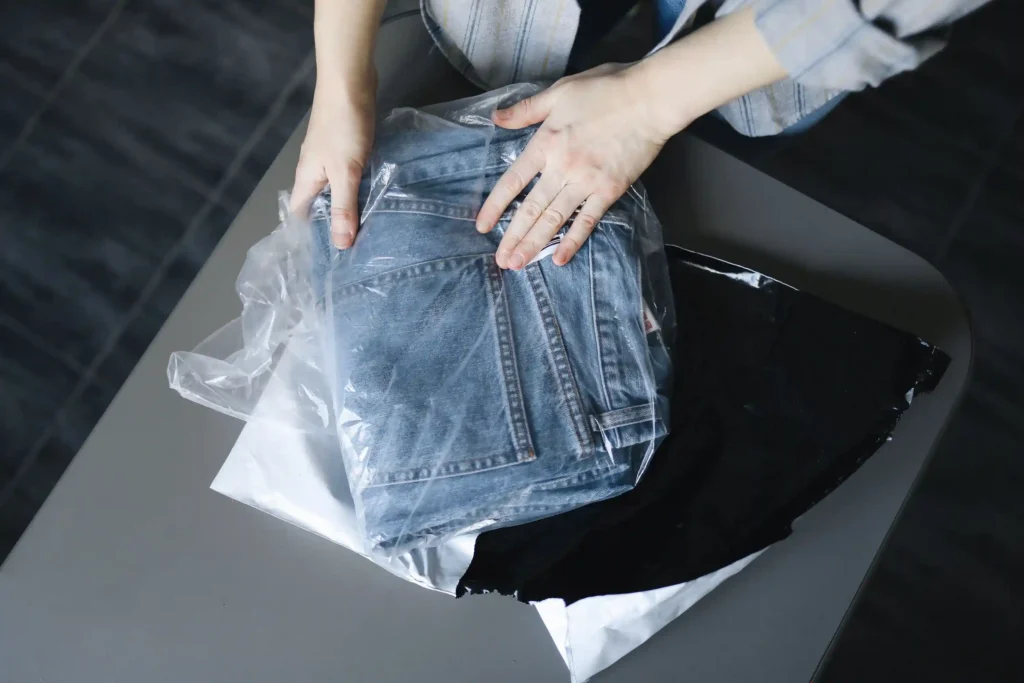
Storing seasonal items well starts with sorting before packing. Group items by season and occasion rather than mixing everything into one box, since this makes retrieval far easier when the season actually arrives.
Fabric items should be packed in breathable bags rather than sealed plastic, since trapped moisture during Mumbai’s humid months can lead to mildew. Decor and fragile items need individual wrapping, and heavier boxes should sit at the bottom of any stack to avoid crushing lighter ones.
Manish Kamti, Production Storage Specialist at Vault.Rent, says timing matters as much as packing technique. “We see a clear seasonal pattern. Families move monsoon gear into storage right after the rains end, and festival decor goes in the week after the season wraps up,” he said. “Storing items right after their season, rather than waiting, keeps them in better condition and keeps the home usable the rest of the year.“
Self Storage vs Decluttering: Which Should You Choose
Decluttering and self-storage solve different problems, and confusing the two often leads to regret. Decluttering and effective space utilization works well for items you genuinely no longer need or want, things you would not miss if they were gone permanently.
Self-storage is the better choice for items you still value but do not need daily access to, such as seasonal wear, festival decor, or furniture you plan to use again in a future home. Discarding these items to save space often means repurchasing them later, which costs more than storing them would have in the first place.
Saurabh Kabra, founder of Vault.Rent, sees this distinction come up often with new renters. “People sometimes think storage and decluttering are competing solutions,” he said. “They are not. Decluttering removes what you truly do not need. Storage protects what you still value but cannot fit at home right now. Most families end up needing both.”
Vertical Storage Ideas for Mumbai Flats
Before moving items off-site, vertical space inside the home is worth using fully. Floor-to-ceiling shelving, wall-mounted racks, and over-door organizers can absorb a surprising amount of clutter in a small flat, particularly in kitchens and bathrooms where floor space is tightest.
However, vertical storage has limits. It works well for smaller, lighter items, but bulky furniture and large volumes of seasonal goods eventually outgrow what a wall or shelf can hold. For renters near Powai managing tight one-bedroom layouts, combining vertical storage at home with off-site storage for bulkier items tends to work better than relying on either solution alone.
When to Bring Seasonal Items Back Home
Timing the return of stored items matters just as much as timing when they go in. Bringing items back too early means they sit unused at home again, eating into space you just freed up. Bringing them back too late means scrambling to find monsoon gear after the first heavy rain, or festival decor the week an event is already underway.
A simple rule works well for most families. Request seasonal items about one to two weeks before they are actually needed. This gives enough buffer for delivery without letting items sit at home unused for an extended period. For festival decor tied to a fixed date, this timing is especially easy to plan around, since the date rarely shifts year to year.
Families who store furniture between moves should think about this differently. Rather than a fixed seasonal window, the return date depends on when the next home is ready. Choosing a storage plan with flexible retrieval, rather than a rigid fixed term, avoids paying for a rigid schedule that does not match an unpredictable moving timeline.
FAQs
What is the best way to store seasonal items in a small Mumbai flat?
Sort items by season, pack fabric in breathable bags, wrap fragile decor individually, and consider off-site storage for bulkier seasonal items that do not fit in home cupboards.
Where can I store seasonal items in Mumbai?
Household storage services, like Vault.Rent, offer climate-controlled units where seasonal items such as monsoon gear, festival decor, and winter clothing can be stored and retrieved as needed.
Should I declutter or use self-storage for items I rarely use?
It depends on whether you still need the item. Declutter items you would not miss permanently. Use self-storage for items you value but cannot fit at home right now.
What household items take up the most unnecessary space in small homes?
Seasonal clothing, spare furniture, festival decor, old toys and books, documents, luggage, and occasional-use kitchen items are among the most common space wasters in small Mumbai flats.