

Table of Contents
Document storage is the practice of keeping physical files, records and paperwork in a secure, organised space outside your home or office, so they stay safe from damage, theft and clutter while remaining easy to retrieve when needed. For Mumbai businesses juggling GST filings, client contracts and case files, that space usually needs to survive monsoon humidity, pest damage and years of statutory retention rules, which is exactly what a dedicated document storage facility is built for.
Why Mumbai Businesses Can’t Treat Document Storage as an Afterthought
If you run a CA practice, a law firm or a growing startup in Mumbai, you already know the real problem isn’t finding space for today’s files. It’s what happens to the files from three years ago that you’re still legally required to hold.
Under the Companies Act 2013, every company must preserve its books of accounts for at least eight financial years. Under GST law, Section 36 of the CGST Act requires registered persons to retain records for 72 months, six years, from the due date of the annual return, and that clock resets if an audit, appeal or investigation is pending. Income tax records carry their own six-year rule from the end of the assessment year. Put together, most Mumbai businesses are sitting on six to eight years of paperwork they cannot legally shred, even if they wanted to.
Now add Mumbai’s climate to that equation. A single monsoon season can turn an unsealed almirah or a rented back office into a breeding ground for damp, mould and silverfish. Founders and finance teams rarely think about document storage until a flooded storeroom or a failed audit forces the issue, and by then the damage is already done.
“We built Vault.Rent because too many Mumbai businesses were treating document storage as an afterthought, something you deal with only after a flood or an audit notice. It should be planned the same way you plan your office lease,” says Saurabh Kabra, Founder of Vault.Rent.
What Is Document Storage, Exactly?
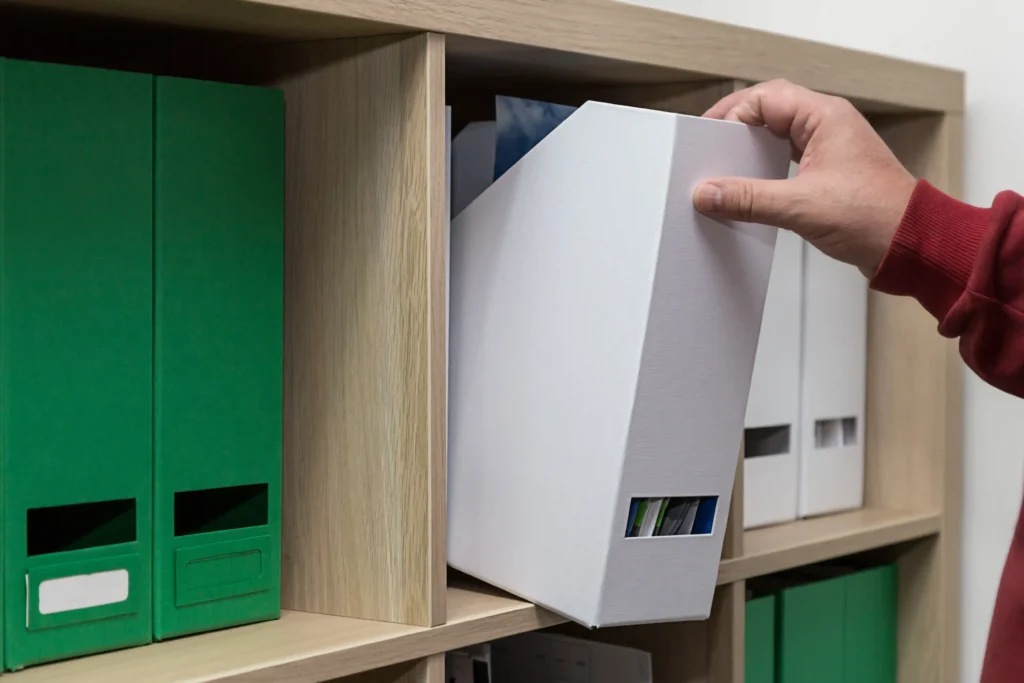
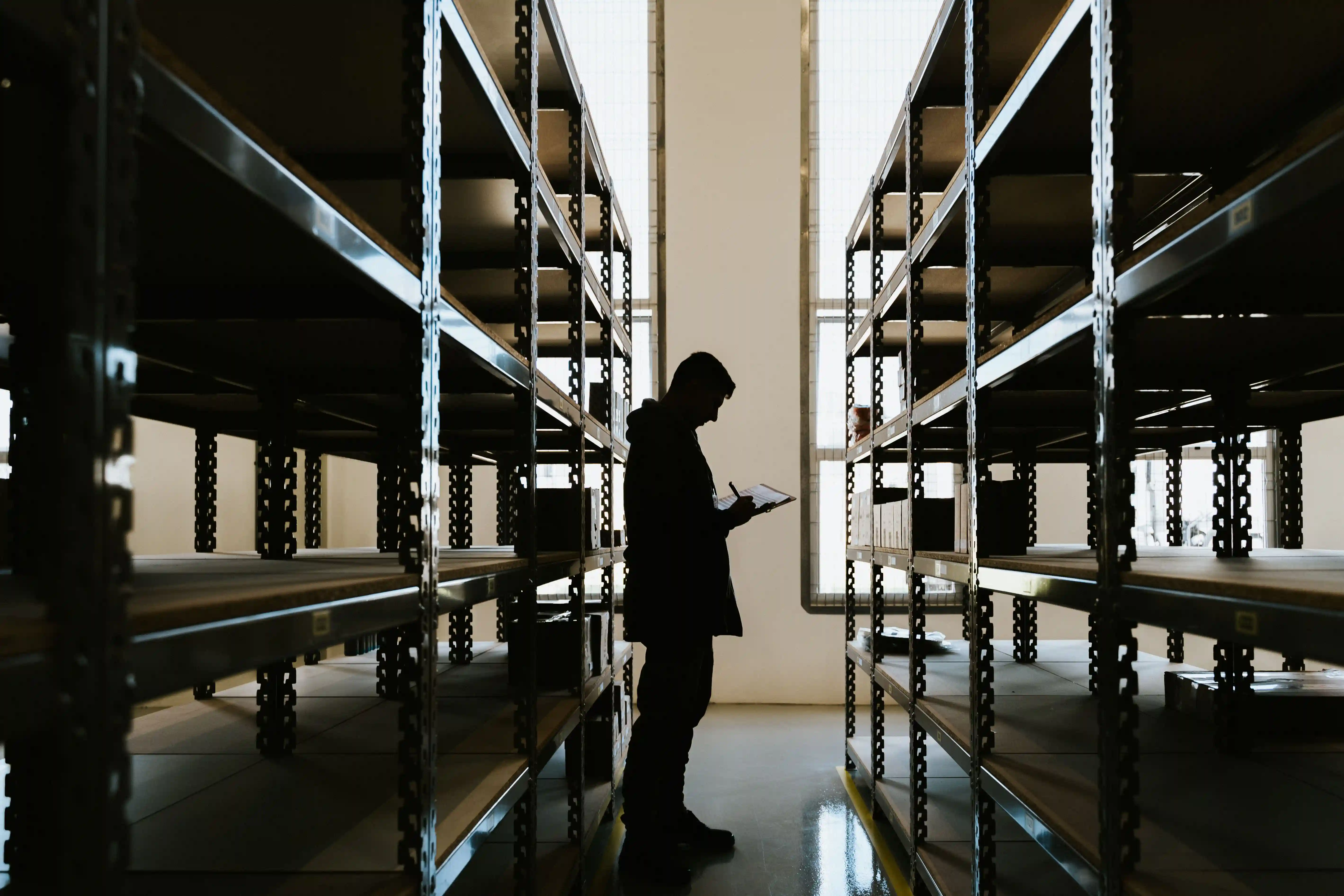
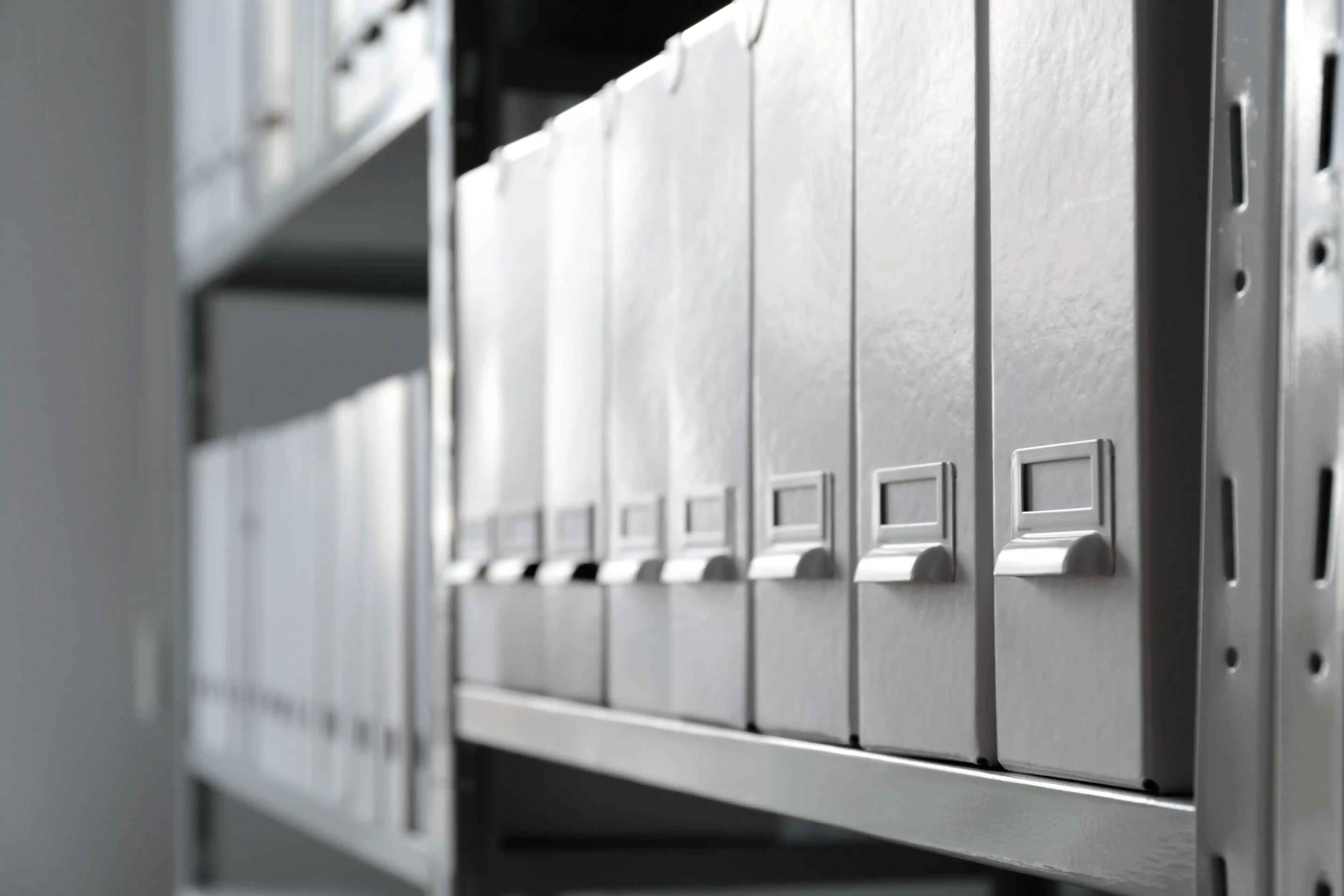
Document storage refers to purpose-built storage solutions where physical records, be it a single document storage box or an entire records room, are kept in a monitored, climate-controlled facility instead of an office cupboard or home shelf. A proper document storage facility typically includes:
- Climate and humidity control to prevent paper degradation
- Fireproof and waterproof storage units or boxes
- Pest control and dust-free environments
- 24/7 CCTV surveillance and biometric access
- Barcode tracking so every box or file bag can be located and retrieved on demand
- Pickup and drop-off service, so you never have to transport sensitive files yourself
This is different from a general self-storage unit, which is built for furniture and household items. Document storage is engineered around retrieval speed, confidentiality and long-term paper preservation, which matters when an auditor asks for a specific invoice from four years ago and expects it within the hour.
Document Storage Companies in Mumbai: What Separates the Good From the Generic
A quick search for document storage companies in Mumbai or document storage services near me turns up dozens of options, but most fall into two categories: large enterprise records management firms built for corporate volume, and small local godowns with none of the security or tracking a CA or law firm actually needs.
When evaluating a document storage facility in Mumbai, look for these non-negotiables:
- Barcode or digital indexing. Every document storage box should be searchable, not just stacked.
- Confidentiality protocols. Client files, case documents and financial records need restricted, logged access, not a shared warehouse shelf.
- Climate control. Mumbai humidity destroys paper faster than almost anywhere else in India.
- Flexible tenure. Short-term document storage for a single audit cycle, or long-term storage for statutory retention, should both be available without a rigid annual contract.
- Doorstep pickup and delivery. Your team’s time is better spent on billable work than driving files across the city.
Document Storage for CAs, Lawyers and Startups: Three Different Problems, One Solution
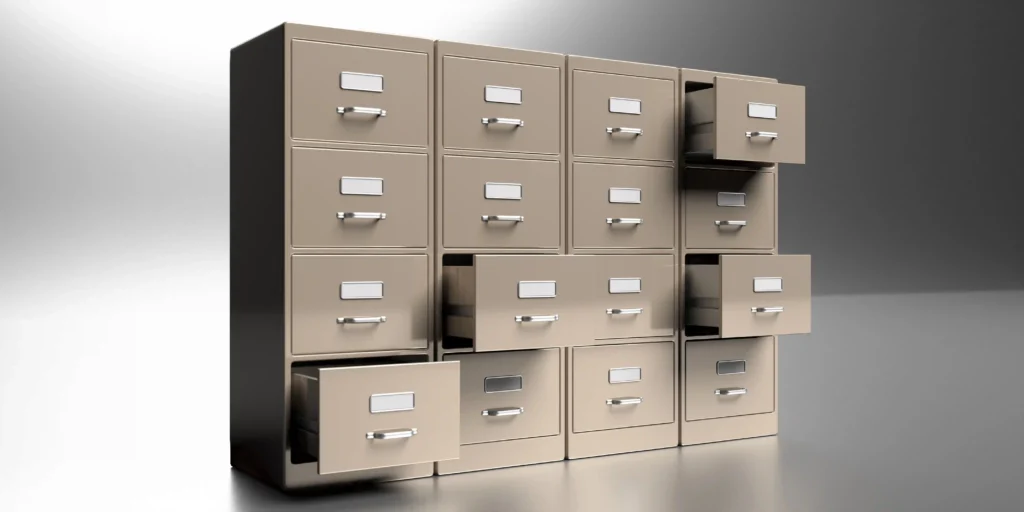
Chartered Accountants deal with the heaviest retention burden of any profession here. Between client books of accounts, audit working papers and GST records, a mid-sized CA firm can be holding seven to eight years of files for dozens of clients at once. A dedicated document storage service lets a firm archive closed years off site while keeping current year files in office, without renting a second room just to hold boxes.
Law firms carry a different kind of risk. Case files, client agreements and court documents often need to be retained indefinitely or for the life of a matter plus a statutory buffer, and confidentiality is non-negotiable. Legal document storage with logged, restricted access protects both the firm and the client, and offsite storage frees up prime office space that costs far more per square foot than a storage unit ever will.
Startups underestimate this the most. Early-stage teams store contracts, employee records, board resolutions and vendor agreements in random cupboards or, worse, a single founder’s home. As the company scales toward funding rounds, audits or acquisition due diligence, that lack of an organised record trail becomes a real liability. Setting up document storage early, even a single document storage bag or box to start, builds the habit before the paperwork becomes unmanageable.
Document Storage Box vs Full Facility Storage: Which Do You Need?
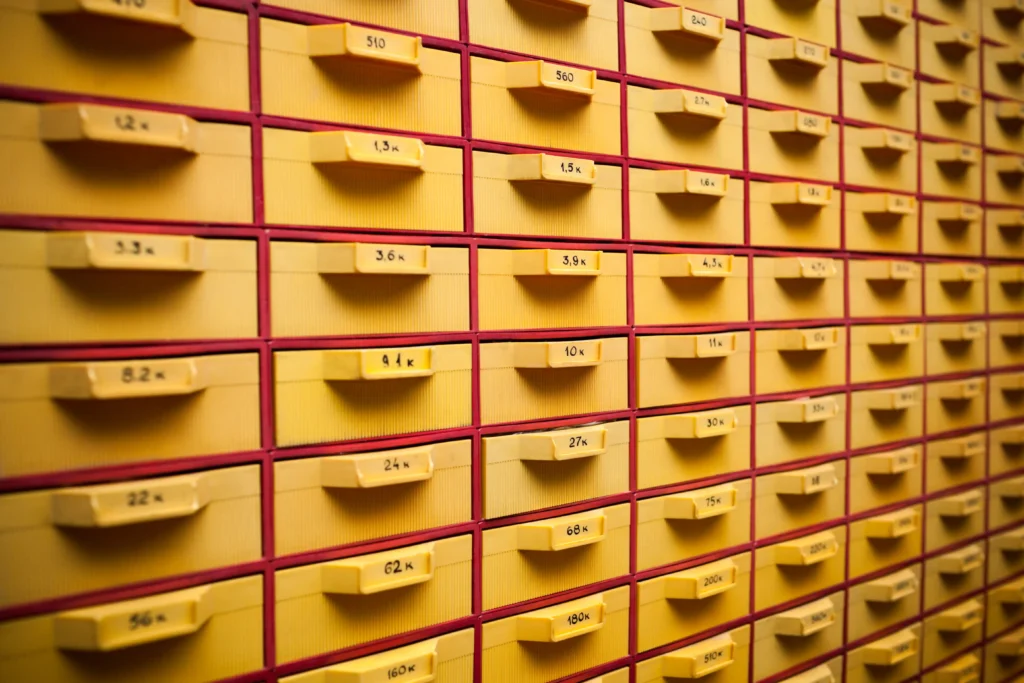
If you’re a solo practitioner or a small startup with limited volume, a single document storage box, sealed, labelled and tracked, may cover your needs for a year or two. If you’re a CA firm managing multiple clients or a law firm with active litigation files, you’ll likely need dedicated shelving within a document storage facility, with room to grow as retention periods stack up year after year.
The smartest approach is starting small and scaling the storage plan alongside your paperwork, rather than overcommitting to a large records room you don’t yet need or underestimating and running out of space mid-year.
Document Storage Online: Should You Digitize Instead?
Digitizing documents solves searchability, not the legal requirement. Under the Companies Act and GST law, businesses can maintain electronic records, but they must remain accessible, legible and properly backed up for the full retention period, and many original signed contracts, agreements and court-filed documents still need to exist in physical form regardless of what’s scanned. The most audit-ready Mumbai businesses run both in parallel: digital copies for daily search and reference, physical originals in secure offsite document storage for compliance and legal validity.
How Vault.Rent Approaches Document Storage in Mumbai
Vault.Rent, positioned as Bharat ki Tijori, offers secure document storage services in Mumbai designed around exactly this gap: CCTV-monitored, pest-free, climate-appropriate storage with barcode-tracked boxes and doorstep pickup, so your team never has to physically manage archived files. Whether you need a single document storage box for a small practice or ongoing records and document storage services for a growing firm, the goal is the same: your files stay retrievable, compliant and protected, without eating into office rent you’re already paying by the square foot.
Ready to move your files out of the storeroom and into a system built for them? [Book your Vault.Rent document storage space today.]
You may also want to read: Self Storage Facility in Mumbai: Your Complete Guide to Secure Storage Space (2026)
FAQs
What is document storage used for?
Document storage is used to securely archive physical records, contracts, financial books and case files that businesses are legally required to retain but don’t need daily access to, freeing up office space while keeping files retrievable on demand.
How long should a business keep financial documents in India?
Companies must retain books of accounts for at least eight years under the Companies Act 2013. GST records must be kept for six years (72 months) from the annual return due date under Section 36 of the CGST Act, and income tax records for six years from the end of the assessment year.
Is document storage safe for confidential files?
Yes, provided the facility offers restricted biometric access, CCTV surveillance and barcode-tracked boxes. Ask any document storage company about their access logging before signing up, especially for legal or client financial records.
What’s the difference between document storage and self storage?
Self storage is designed for furniture, appliances and household items. Document storage facilities are built specifically for paper preservation, with climate control, fire safety and retrieval systems suited to files, boxes and records rather than bulky goods.
How much does document storage cost in Mumbai?
Pricing typically depends on box count or shelf space required and whether you need short-term or long-term storage. Most Mumbai providers offer per-box or per-square-foot pricing with flexible monthly plans rather than long, rigid contracts.