

Table of Contents
Film prop storage ideas that actually work go beyond bins and shelves. Good prop storage protects fabric, wood, and paint from damage between shoot days. Vault.Rent is a Mumbai-based storage platform for film and theatre productions. It builds units around climate control and easy access. Poor storage is one of the most common causes of continuity errors on set. This guide covers proven prop storage ideas and monsoon protection tips. It also shows how to pick a setup that holds up across a full shoot schedule.
Most continuity errors do not start on set. They start in storage. A prop gets left in a damp room over a weekend. A costume gets crushed under equipment cases. A hero prop can end up looking different on camera weeks later. Nobody notices until then. The continuity team then has to explain a scratch or a color shift nobody planned for. Vault.Rent has worked with Mumbai productions long enough to see this pattern repeat across genres and budget sizes. Storage rarely gets planned with the same care as casting or locations. Yet it quietly shapes how a film looks from scene to scene.
Manish, Vault.Rent’s Production Storage Specialist sees this gap often. “Most teams think prop storage just means finding empty space,” he says. “But space alone does not protect anything. Without climate control or a real system, props get damaged and nobody notices until it is too late.“
This article walks through practical prop storage ideas for film and theatre productions, why moisture protection matters more in Mumbai than most crews plan for, and how a proper storage solution for props, costumes, and equipment prevents the small errors that quietly cost productions time and money.
Why Prop Storage Ideas From Home Organizing Do Not Work on Set

Most prop storage advice online is built for closets and garages. It assumes items sit untouched for months. It also assumes nobody needs fast access. Film and theatre productions work nothing like that. Props move constantly. A hero prop might leave storage five times in one week for reshoots, rehearsals, or last-minute script changes.
Home-style storage ideas also ignore material risk. A cardboard box works fine for holiday decorations. It does very little for a painted prop that reacts to humidity. It also does little for a costume piece that creases and molds in a closed space. Vault.Rent designs its units around this difference. Climate control protects fabric, wood, and paint from Mumbai’s humidity swings. This is one of the biggest reasons props degrade between shoot days.
The pattern here is simple. Poor storage causes prop damage. Prop damage causes visible inconsistency on camera. Visible inconsistency becomes a continuity error. That error costs production time and money to fix.
Prop Storage Ideas That Actually Hold Up During a Shoot
A few storage habits make a real difference for film and theatre productions, based on patterns Vault.Rent sees across Mumbai productions.
Sort by fragility, not by scene: Group props by how easily they get damaged. Do not group by which scene they belong to. Delicate items like painted set pieces or fabric props need the most protective spot. They also need the easiest access. They get handled more often and more carefully than sturdier items.
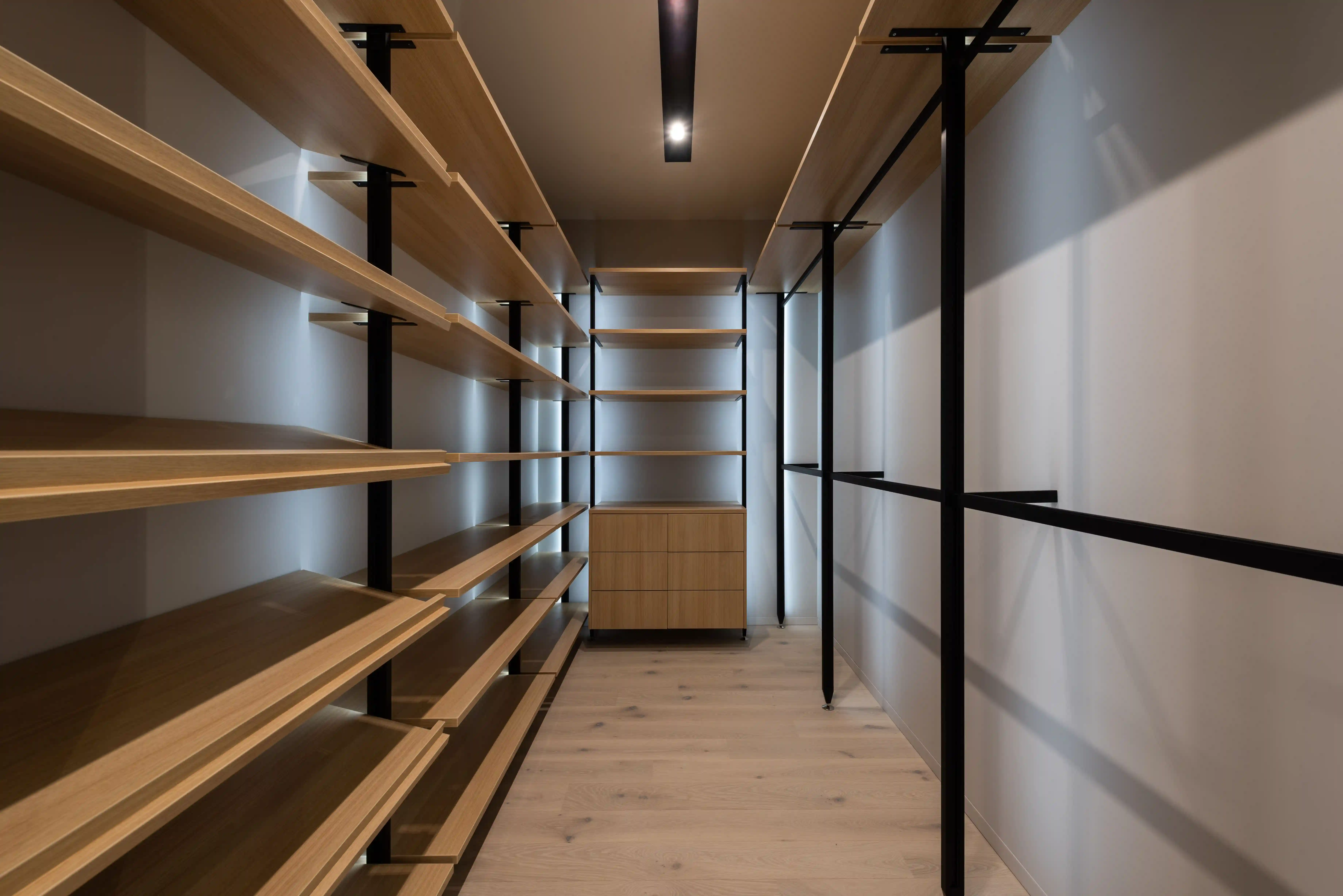
Use vertical racking for irregular shapes: Oversized props and set pieces rarely fit standard shelving. Open racking with adjustable heights works better than stacking boxes. Stacking risks crushing whatever sits underneath.
Keep a physical and digital inventory log: A missing prop is often not lost. It is simply misplaced because nobody logged where it went. A basic spreadsheet with photos prevents most of this confusion.
Separate props from equipment: Cameras and lighting gear generate heat. They also get handled roughly during loading and unloading. Storing delicate props in that same tight space raises the risk of accidental damage.
Build in a buffer zone for active props: Items currently in rotation need a spot near the front of a facility, not buried behind long-term storage. This alone can cut retrieval time during a busy shoot week.
Manish works closely with seller and vendor-facing content. He notes that most storage complaints trace back to one issue. Teams store everything the same way, no matter how often it gets used. Sorting by frequency of access, not just by type, fixes most of the daily friction in production.
Monsoon Protection Tips for Prop and Costume Storage in Mumbai

Moisture protection deserves its own section for any Mumbai-based production. The monsoon season creates real risk for props and costumes stored without climate control.
Fabric absorbs moisture fast. It can develop mold within days in a humid, unventilated space. Wood-based props warp and crack as humidity swings between wet and dry. Metal props and set hardware rust faster than most teams expect. This is especially true for anything left in a non-climate-controlled space during the wetter months.
A few monsoon-specific habits help. Store fabric items on hangers rather than folded in bins. Folded fabric traps moisture against itself. Keep props off the floor using pallets or shelving. Ground-level moisture rises even in covered storage. Check humidity-sensitive items on a set schedule. Do not wait until something looks wrong. Damage often starts before it becomes visible.
Garments wear out fastest through inconsistent conditions, not from wear itself. The same rule applies to costumes and fabric props kept in storage that swing between damp and dry across a monsoon season.
Prop Storage for Theatre Versus Film Production
Prop storage for theatre productions differs from film in a few important ways. Theatre props often get reused across a full run of performances. This can last for months at a time. Durability and steady access matter more than short-term protection in this setting.
Film productions typically need props for a shorter, more intense period. Retrieval timing is less predictable. Scenes get reshuffled and reshot without much warning. Vault.Rent’s approach adapts to both needs. Theatre productions benefit from organized long-term zoning. This keeps a full production’s inventory together and easy to reach, show after show. Film productions benefit more from flexible, on-demand access that matches unpredictable shoot schedules and last-minute changes.
Storage Solutions for Props, Costumes, and Equipment Together
Many Mumbai productions try to manage props, costumes, and equipment across separate, informal spaces. This raises the risk of items getting lost or damaged between departments. A single organized storage solution cuts this risk by a wide margin.
Storage solutions for props, film costumes, and equipment work best when each category gets its own zone within one facility. This beats scattering items across a production office, a truck, and someone’s garage. It keeps inventory logs simpler. It also cuts down the handoff points where damage most often happens. Fewer handoffs mean fewer chances for something to get lost or crushed along the way.
Production teams working across Bandra, Andheri, BKC, Lower Parel, Goregaon, Thane, and Powai all face the same core challenge. Assets move constantly between set, storage, and prep spaces. Every handoff is a chance for something to go missing or get damaged. A single, well-organized facility removes several of these handoffs at once. This lowers risk without adding extra steps to a production’s day.
Manish puts it directly. “The productions that treat prop, costume, and equipment storage as one connected system rarely deal with continuity surprises. The ones that scatter everything across separate spaces usually call us after something has already gone wrong.“
Pinterest is great for inspiration, but on a busy set, function has to beat form every single time. Before you waste budget on fragile prop storage ideas, look at what the veterans are doing to keep their assets intact. What is the most ridiculous or fragile storage “hack” you’ve ever seen fail on set?
FAQs
What are the best prop storage ideas for film productions?
Sort items by fragility, not by scene. Use adjustable racking for irregular shapes. Keep a photo based inventory log. Separate props from equipment to reduce accidental damage.
How does poor prop storage cause continuity errors?
Poor prop storage exposes items to humidity, pressure, and rough handling between shoot days. A prop that gets scratched, warped, or discolored looks different on camera. That visible change becomes a continuity error.
What is the best way to protect props from moisture during monsoon season?
Store fabric on hangers instead of in folded bins. Keep items off the floor. Check humidity-sensitive props on a regular schedule instead of waiting for visible damage.
Is prop storage different for theatre compared to film production?
Yes. Theatre productions need long-term, organized storage for props reused across a full run. Film productions need flexible, on-demand access that matches shorter and less predictable shoot schedules.
Should props, costumes, and equipment be stored separately?
They should sit in separate zones within one facility rather than scattered across different locations. This cuts down handoff points and lowers the risk of lost or damaged items.