


Table of Contents
Packing fragile items for storage the right way protects glassware, décor and electronics from cracks, scratches and moisture damage. On Vault.Rent, climate-controlled units and a QR-coded inventory system make it easy to store these items safely. Here are 7 smart tips, plus a room-by-room checklist you can follow before pickup.
Why Fragile Items Break in Storage
Most breakage in storage happens for one of three reasons. Boxes get stacked without support. Humidity swings cause materials to expand and contract. Or items move around inside a loosely packed box. None of these problems are hard to prevent. They just need a bit of planning before your pickup date.
Manish Kamti, Production Storage Specialist at Vault.Rent, sees this pattern often. Clients storing home décor and gadgets between moves make the same small mistake again and again. He says the biggest error is treating a storage box the same way you would treat a moving box for a single afternoon trip. Storage boxes sit still for weeks or months. Every gap inside them needs to be filled, not just padded lightly.
1. Choose the Right Box for Each Item
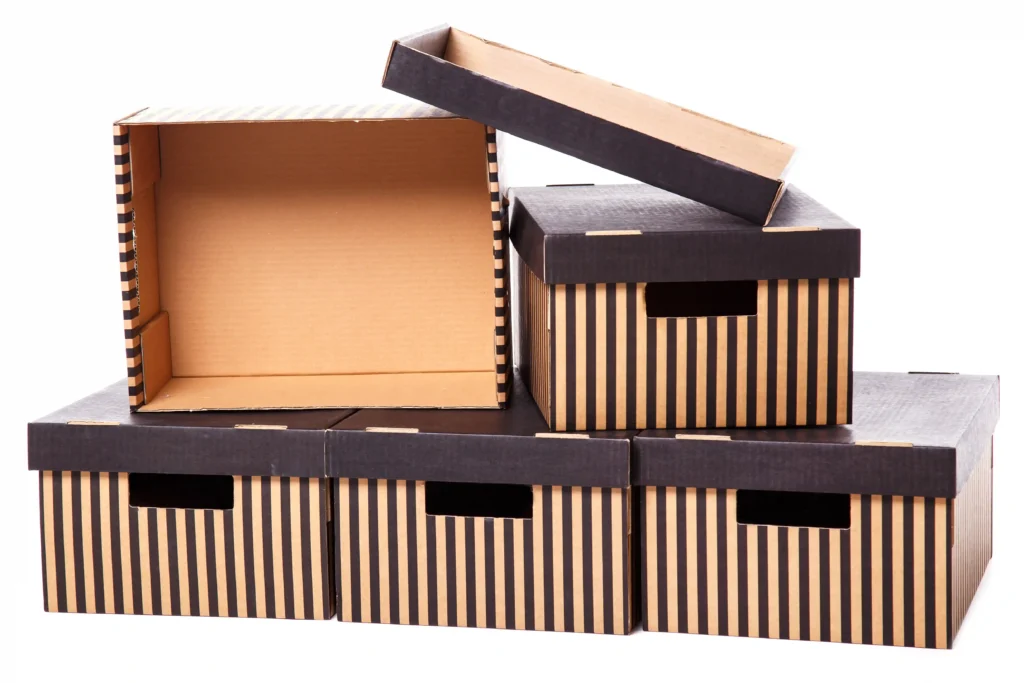
Corrugated boxes with double walls hold up far better than single-layer boxes when stacked in a unit. For fragile décor like vases, frames and ceramics, look for boxes with built-in corrugated dividers. These keep items from touching each other during transit. They also protect items while they sit still in storage for weeks.
2. Wrap Fragile Décor in Layers, Not Just Once
The best packing materials for fragile items are packing paper as a base layer, followed by bubble wrap for shock absorption. Wrap each piece on its own. Never let two fragile items touch inside the same box. This holds even if both are individually wrapped, since repeated contact over weeks can still chip edges.
3. Pack Electronics With Anti-Static Materials
How you pack electronics for storage is different from how you pack décor. Regular plastic wrap can build up static and damage circuit boards. Anti-static bubble wrap is the safer choice for laptops, routers, speakers and gaming consoles. Remove batteries from any remote controls or handheld devices before boxing them. A leaking battery can ruin a device that survives everything else.
4. Use Silica Gel Packets to Control Moisture

Moisture control for electronics in storage matters more in Mumbai than in most cities, given the humidity for a large part of the year. Silica gel packets placed inside electronics boxes absorb excess moisture. This reduces the risk of corrosion on internal components over time. It is a small step that makes a real difference over months of storage.
5. How to Pack a Flat Screen TV for Storage
Store a flat screen TV upright, never flat, since laying it down puts pressure on the panel. If you kept the original box, use it. The foam inserts are shaped for that exact model. If not, wrap the screen in a moving blanket, then bubble wrap. Place it in a snug box with packing paper filling any remaining gaps.
6. Label Every Box Clearly
A simple label saves real time later. Mark each box with its room of origin and a short list of contents. Flag anything fragile or electronic on at least two sides of the box. Vault.Rent’s QR-coded inventory system lets you scan a box and see exactly what is inside. A good label at packing time makes retrieval effortless months down the line.
7. Store in a Climate-Controlled Unit
Climate-controlled storage keeps temperature and humidity within a stable range. This matters most for electronics, wooden décor and anything with adhesive or delicate finishes. A unit that swings between hot and damp conditions can warp wood, cloud glass, and corrode circuit boards over time, even if the packing itself was done well.
Room-by-Room Packing Checklist
Living Room: Wrap frames and mirrors individually with corrugated dividers between them. Pack table lamps with the shade removed and boxed separately.
Bedroom: Box jewellery boxes and small décor upright. Fill gaps with packing paper so nothing shifts during transit.
Home Office: Back up data from laptops and hard drives before packing. Label cables and coil them separately from the devices they belong to.
Kitchen: Wrap glassware and ceramics one piece at a time. Use a sturdy dish pack box for stacked plates rather than a regular moving box.
Entertainment Unit: Pack speakers, consoles and set-top boxes in their original boxes where possible. Otherwise, use anti-static wrap and a snug-fitting box.
What Vault.Rent Customers Are Choosing This Season
Saurabh Kabra, founder of Vault.Rent, says the fastest-growing segment right now is young professionals relocating within Mumbai. Close behind them are film and OTT production teams that need short term storage for props and equipment between shoots. Both groups care about the same thing. Fast pickup and a clear way to track what is inside every box.
Vault.Rent offers pickup and delivery within about 3 hours across the Mumbai Metropolitan Region, from Bandra to Thane. The facility itself is anchored in Goregaon, with regular pickups also running through Andheri, Powai, BKC and Lower Parel. Storage products on the platform are priced from ₹22 to ₹82 a month depending on size and type. This makes short-term storage for a single box of décor as easy to book as a full room’s worth of furniture.
Self Storage Packing Tips for Mumbai Households
Self storage packing tips for Mumbai households need to account for humidity, tight parking access for pickup vehicles and smaller apartment layouts that leave little room for a full packing session. Pack in stages over a few evenings rather than one long session. Fragile items packed in a rush are the ones most likely to get damaged. If you are packing decor items before a storage pickup, keep anything breakable in one clearly marked area of the home. This way, the pickup team can move it last and stack it with care.
How Vault.Rent Makes Pickup Easier
Booking a storage pickup should not add stress to an already busy packing day. On Vault.Rent, you choose a unit size, schedule a pickup window and pack at your own pace before the team arrives. Every box gets scanned into the QR-coded inventory system at pickup, so you always know which box holds your décor, your electronics or your seasonal items, without opening every box to check. This matters most for households storing a mix of fragile categories at once, since a mislabeled box is the most common reason people struggle to find an item months later.
Vault.Rent also runs a seasonal campaign called Space Bazaar, along with a newer Specialized Shoe Storage service for households that need more than just boxes and shelves. Between these options and the standard unit sizes, most Mumbai households find a plan that fits both their budget and the volume of items they need to store.
Common Packing Mistakes to Avoid
A few small habits cause most of the damage seen in storage units. People often reuse old boxes that have already gone soft from a previous move. They skip padding at the bottom of the box, so heavier items press down on lighter ones underneath. They also forget to label boxes at all, which turns a simple pickup into a guessing game months later. None of these mistakes take extra effort to fix. They simply need to be part of your packing routine from the start, rather than an afterthought once boxes are already sealed.
You might also like to read: Self Storage in Goregaon Won’t Save You Space. It’ll Save You Rent
FAQs
What is the best way to pack fragile items for storage?
Wrap each item individually in packing paper and bubble wrap, use a sturdy box with corrugated dividers, and fill every gap so nothing shifts during transit or storage.
How do you pack electronics for long-term storage?
Use anti-static bubble wrap instead of plastic wrap, remove batteries and cables, and add silica gel packets to control moisture inside the box.
Should I remove batteries before storing electronics?
Yes. Batteries can leak or corrode over time, which can permanently damage the device even if everything else was packed correctly.
What packing material is best for fragile décor items?
A layer of packing paper followed by bubble wrap works best, along with corrugated dividers to keep pieces from touching inside the box.
Can I store electronics in a non-climate-controlled unit?
It is possible, but not ideal. Humidity and temperature swings raise the risk of corrosion and warping, so a climate-controlled unit is the safer choice for electronics.